
Pad Printing on Custom Mugs in Australia: The Complete Supplier Guide
Learn how pad printing works on custom mugs in Australia, including costs, MOQs, artwork tips, and how to find the right supplier.

Written by
Mia Chen
Branding & Customisation
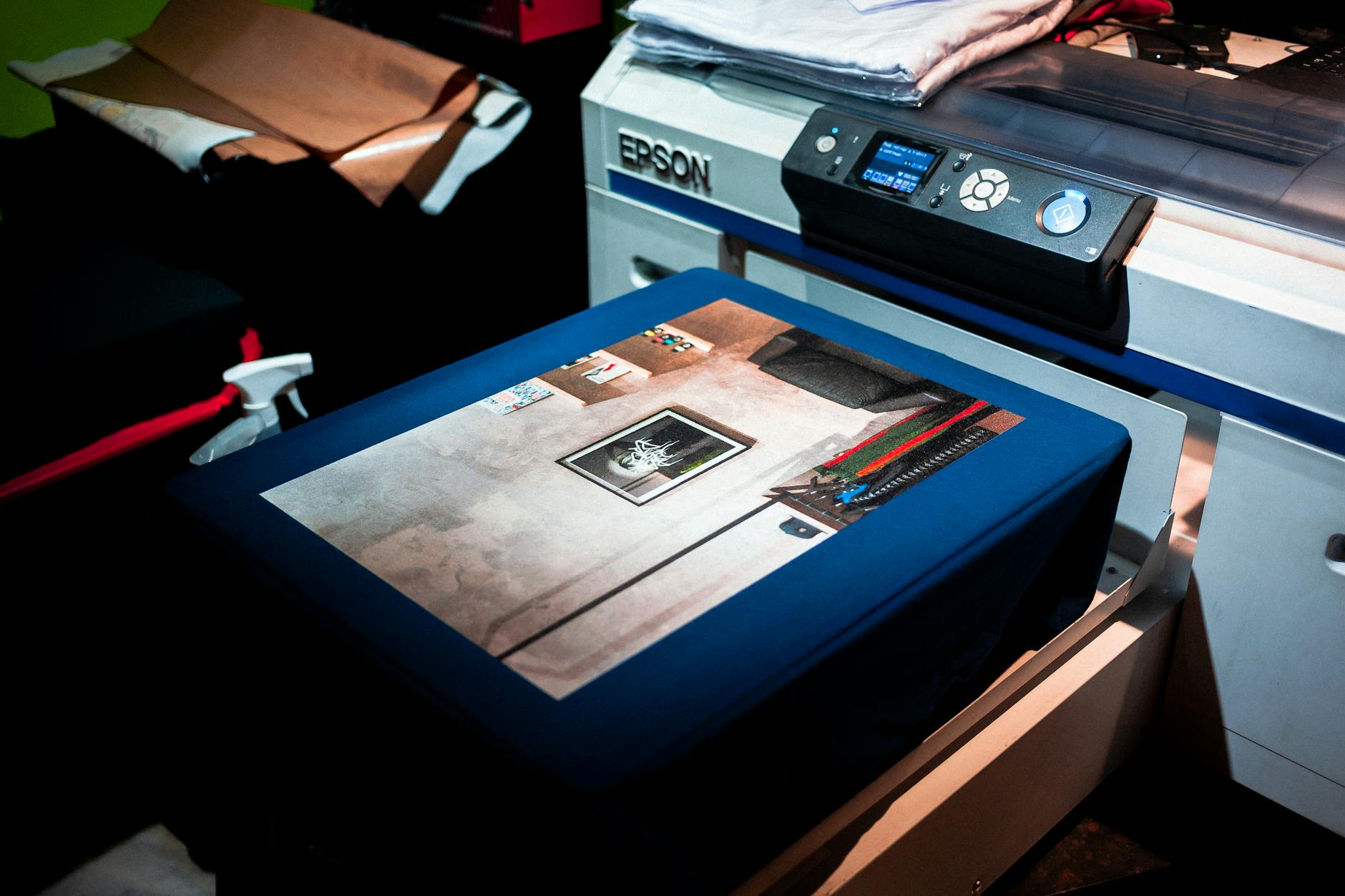
When you’re sourcing custom mugs for a corporate client, a product launch, or a large-scale conference, the decoration method you choose matters far more than most people realise. Pad printing on custom mugs in Australia is one of the most widely used and cost-effective techniques for achieving sharp, consistent branding on curved and uneven surfaces — yet many businesses and resellers don’t fully understand how it works, when to use it, or how to brief suppliers correctly. Whether you’re a marketing agency ordering mugs for a Brisbane product activation or a reseller putting together a corporate gifting range for a Perth client, this guide covers everything you need to know.
What Is Pad Printing and Why Is It So Common on Mugs?
Pad printing is a printing process that transfers ink from an etched plate (called a cliché) onto a silicone pad, which then presses against the surface of the product. Because the silicone pad is flexible, it can conform to curved, recessed, and irregular surfaces — which is exactly why it’s such a natural fit for ceramic mugs, glass items, and promotional drinkware.
The process allows for precise colour reproduction and clean, detailed logos. For branded mugs, this means you can achieve fine lines, small text, and multi-colour designs with a level of accuracy that’s difficult to match with simpler methods like heat transfer labels. It’s also a relatively fast and economical process at scale, which is why it remains a go-to decoration method across Australia’s promotional products industry.
Compare this to sublimation, which wraps the design around a polymer-coated surface, or laser engraving, which removes material to reveal a contrasting finish — pad printing sits in the middle ground, offering bold colour with excellent durability on standard ceramic finishes. If you’re also exploring engraved drinkware for premium gifts, our guide to laser engraved LED torches in Australia explains how laser decoration compares across different product types.
How the Process Works Step by Step
- Artwork preparation — Your logo or design is converted into a film positive and used to chemically etch a metal cliché plate.
- Ink application — Ink is spread across the cliché, filling the etched recesses.
- Pad pickup — The silicone pad presses onto the cliché and picks up the inked image.
- Transfer — The pad then presses onto the mug surface, depositing a clean, crisp print.
- Curing — The printed mug passes through a drying or curing process to set the ink permanently.
Each colour in your design requires a separate pass and a separate cliché, which is why artwork with fewer colours is generally more cost-efficient.
Understanding Costs, MOQs, and Setup Fees
One of the most important things to understand when ordering pad printed custom mugs in Australia is how the pricing structure works. Unlike some decoration methods where costs are relatively flat, pad printing involves both setup fees and per-unit costs that vary significantly based on order volume.
Setup Fees
Most Australian suppliers charge a setup fee (also called a cliché fee) per colour. This typically ranges from $30 to $80 per colour, depending on the supplier and complexity of the artwork. For a two-colour logo, you’re likely looking at $60 to $160 in setup fees alone. These are one-off costs — if you reorder the same design, setup fees are often waived or reduced.
This is worth factoring into your budget conversations with clients, particularly if they’re ordering a small run for the first time. The economics of pad printing improve significantly at higher volumes.
Minimum Order Quantities
For pad printed ceramic mugs, the typical MOQ in Australia sits between 50 and 144 units, though some suppliers will accommodate smaller orders of 25 units with a surcharge. If your client is a small business in Adelaide wanting just a dozen mugs, pad printing may not be the most economical option — sublimation on white ceramic mugs or digital printing could be more viable at that scale.
For resellers building packages for mid-size to large corporate clients, however, pad printing offers excellent value at 100, 250, 500 units and above. The per-unit cost drops substantially as volume increases, which is where your pricing conversations with buyers become much easier to navigate.
Turnaround Times
Standard production time for pad printed mugs in Australia is generally 10 to 15 business days after artwork approval. Rush options may be available through certain suppliers at a premium. If you’re managing a tight deadline — say, a Sydney conference happening in three weeks — it pays to confirm lead times with your supplier before confirming the order. Our overview of fast turnaround promotional products in Sydney covers what to realistically expect when time is short.
Artwork Requirements for Pad Printing on Mugs
Getting the artwork right before you submit is one of the most effective ways to avoid delays and unexpected costs. Suppliers across Australia will typically require the following for pad printing jobs:
- Vector artwork in AI, EPS, or PDF format with all fonts outlined
- Pantone (PMS) colour references for each colour in the design — don’t rely on RGB or CMYK values alone, as ink matching depends on PMS codes
- Clear print dimensions — know the print area dimensions for the specific mug style (this varies between standard 330ml mugs, travel mugs, and tall latte cups)
- Separated layers for multi-colour artwork — each colour should be on a separate layer or file
One common mistake resellers make is supplying a low-resolution PNG of a client’s logo. Even if it looks fine on screen, it won’t reproduce cleanly on a cliché plate. Always go back to the client for vector source files, or work with a designer to re-trace the artwork before briefing the supplier.
For reference, the standard print area on a classic ceramic 330ml mug is roughly 65mm x 55mm on one side, though some larger mugs allow a wider print zone. Always check the supplier’s product specifications.
When Pad Printing Is the Right Choice — and When It Isn’t
Pad printing is an excellent choice for:
- Standard ceramic or porcelain mugs with a consistent flat or gently curved print area
- Single or two-colour logos where PMS accuracy is important
- Bulk orders where unit cost efficiency is a priority
- Corporate gifting campaigns where consistent branding across a large batch is non-negotiable
It’s worth exploring other decoration methods when:
- Your design involves photographic imagery, gradients, or complex multi-colour artwork — in these cases, sublimation or full-colour digital printing may deliver better results
- The mug has a deeply textured or irregular surface that the silicone pad can’t properly conform to
- You’re ordering very small quantities where setup fees make the per-unit cost prohibitive
- The client wants a premium tactile finish — for that, consider debossing on leather goods or engraving on metal drinkware
If you’re putting together a broader drinkware range for a client and want context on the wider market, the promotional drinkware industry statistics resource provides useful benchmarks on popular product types and usage trends in Australia.
Choosing the Right Mug Style for Pad Printing
Not all mugs are equally suited to pad printing. Here’s how some common mug styles perform:
Classic Ceramic Mugs (250ml–330ml)
The most popular promotional mug in Australia and the most pad printing-friendly. The flat, cylindrical surface offers a consistent print zone, and the matte or gloss ceramic finish accepts ink cleanly.
Tall Latte or Coffee Mugs (400ml+)
Work well with pad printing, though the larger surface area may tempt clients to request larger artwork files. Stick to print dimensions that match what the process can reliably deliver.
Enamel Camping Mugs
Increasingly popular for outdoor brands, travel companies, and event merchandise. Pad printing works on enamel, though the surface can sometimes have slight texture variation that affects consistency at scale. Check with your supplier.
Double-Walled Glass Mugs
More challenging for pad printing due to curvature and glass surface properties. Some suppliers prefer UV printing or decal application for glass. Confirm capabilities before quoting.
For a broader look at how paper-based cup products fit into the promotional mix, our post on paper for cups is worth a read if your client is considering disposable event drinkware alongside branded reusable mugs.
How to Brief Suppliers Effectively
Whether you’re working with a local supplier in Melbourne or sourcing through a wholesale partner for a Darwin government client, a clear and complete brief saves everyone time. Here’s what to include:
- Product type and specific mug style (with supplier product code if known)
- Quantity required
- Number of print colours and PMS references
- Required delivery date and delivery address (including state, as freight times vary considerably between metro and regional areas)
- Artwork files in vector format
- Any special packaging requirements (individual boxes, gift wrapping, etc.)
It’s also worth asking suppliers whether a physical pre-production sample is available before the full run is approved. For large orders of 500 units or more, this is almost always worth the small additional cost and the extra few days it adds to the timeline. Catching a colour mismatch or positioning issue at the sample stage is far less painful than dealing with it after the full batch has been printed.
If you’re managing multiple branded product categories alongside mugs — say, lanyards, apparel, and bags — staying organised across multiple supplier briefs becomes critical. Our guide to custom made lanyards in Australia covers briefing best practices that apply just as well across other product categories.
Sourcing Pad Printed Mugs Responsibly
In 2026, sustainability is increasingly on the radar for corporate clients, government buyers, and not-for-profits. If your client is focused on environmental credentials, it’s worth noting that ceramic mugs are inherently a more sustainable choice than single-use alternatives — and when paired with responsible sourcing, they can form part of a genuinely eco-conscious merchandise range.
Look for suppliers who can confirm:
- Country of manufacture and fair labour practices
- Ceramic composition (bone china vs. standard ceramic affects quality and price)
- Ink safety certifications, particularly for food-contact items
For clients specifically looking to build a greener branded merchandise strategy, our post on recycled branded merchandise in Australia covers the full landscape of eco-friendly options you can offer alongside custom mugs.
It’s also worth considering how mugs fit within a broader gifting suite. If you’re building a corporate gift pack, items like branded reusable straws, branded tea for Christmas gifts, or even premium corporate gifts for Gold Coast clients can complement a beautifully pad printed mug perfectly.
Conclusion: Key Takeaways for Resellers and Businesses
Pad printing on custom mugs in Australia remains one of the most reliable and cost-effective ways to deliver sharp, accurate branding on promotional drinkware at scale. Understanding how the process works, what it costs, and how to brief suppliers correctly puts you in a much stronger position — whether you’re a reseller quoting a 500-unit corporate order or a marketing manager coordinating merchandise for a national conference.
Here are the key points to take away:
- Pad printing is ideal for ceramic mugs with single or two-colour logos where PMS accuracy and consistency across large quantities are priorities
- Setup fees are per colour, so simpler artwork means lower upfront costs — brief clients on this early to manage expectations
- MOQs typically start at 50–144 units, making it best suited to mid-to-large volume orders
- Vector artwork with PMS references is non-negotiable — always gather proper source files before briefing your supplier
- Request a pre-production sample for large runs to catch any colour or positioning issues before the full batch is produced
- Decoration method choice depends on the full brief — understand when sublimation, laser engraving, or digital printing might be a better fit for your client’s needs