
Label and Printing Explained: A Complete Guide for Promotional Product Resellers
Discover how label and printing options work for promotional products in Australia — helping resellers and businesses choose the right method.

Written by
Mia Chen
Branding & Customisation
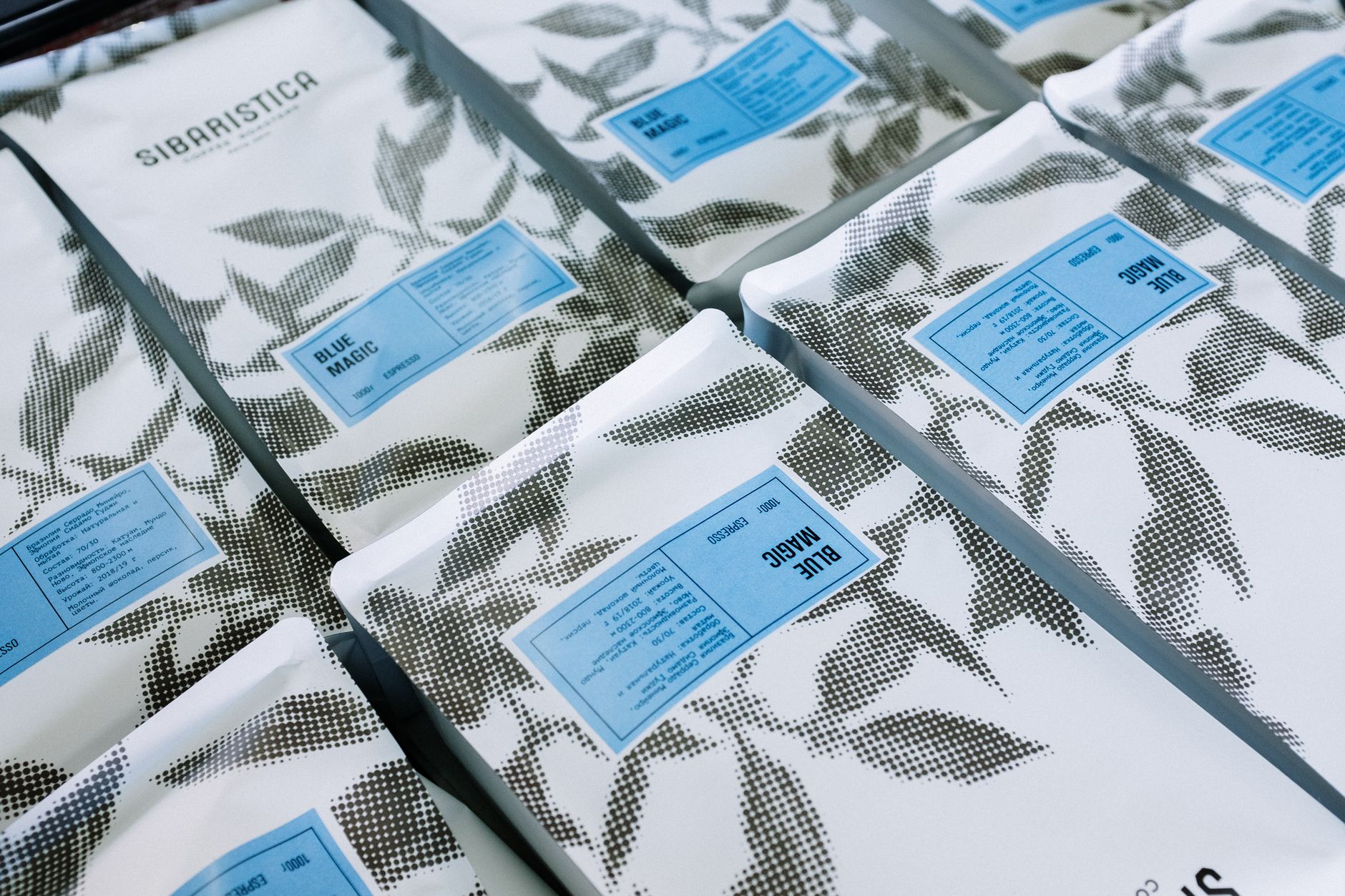
When it comes to building a cohesive brand identity through promotional merchandise, few decisions matter more than choosing the right label and printing approach. Whether you’re a reseller sourcing products for a Sydney marketing agency, a Melbourne-based business putting together a corporate gifting campaign, or a Brisbane distributor managing orders for multiple clients, understanding the nuances of decoration methods can make or break the final result. Labels and printing aren’t just technical details — they’re the difference between merchandise that looks professionally branded and products that fall flat. This guide breaks down everything you need to know to make confident, informed decisions on behalf of your clients.
What “Label and Printing” Actually Means in Promotional Products
The term “label and printing” covers a wide range of decoration and branding techniques applied to promotional merchandise. In the industry, it refers to both physical label application (such as woven labels sewn into apparel, or adhesive labels applied to packaging) and the broader range of printing methods used to apply logos, graphics, and text directly onto products.
For resellers and marketing agencies working in Australia, this distinction is important. A “printed label” on a garment refers to something quite different from a “printed garment.” Similarly, pad printing a logo onto a pen is a different conversation from digitally printing onto a tote bag or laser engraving a metal award.
Understanding this landscape allows you to have smarter conversations with clients, set accurate expectations, and avoid costly mistakes on production runs.
The Most Common Label Types in Promotional Merchandise
Labels play a significant role in how branded products feel and present. In the apparel and bag space especially, label choice signals quality.
- Woven labels — Commonly sewn into custom apparel such as polos, hoodies, and hi-vis workwear. They’re durable, professional, and create a premium feel. Ideal for corporate uniform programs.
- Printed labels — Heat-transferred or digitally printed directly onto the inside of a garment. These are increasingly popular because they eliminate the scratchy sensation of woven labels. Great for activewear and youth apparel.
- Adhesive labels — Used on product packaging, drinkware, stationery, and giftware. They range from basic paper stickers to high-end waterproof polyester labels.
- Hang tags — Swing tickets attached to products. Commonly used in retail-style branded merchandise campaigns, particularly for bags, apparel, and lifestyle items.
- Neck labels — Applied inside garments directly on the collar. Often printed with care instructions, brand name, and sizing.
If your clients are running seasonal campaigns — for instance, winter promotional products in Brisbane or outdoor event giveaways — the type of label used can significantly affect durability and perceived quality.
Printing Methods: Choosing the Right Technique for Each Product
This is where resellers and agencies earn their expertise. Recommending the wrong printing method for a product can lead to poor results, unhappy clients, and reprints that blow out budgets. Here’s a breakdown of the most widely used printing methods in the Australian promotional products industry.
Screen Printing
Screen printing is one of the most versatile and cost-effective methods for high-volume runs. It works by pushing ink through a mesh screen onto a substrate, one colour at a time. It’s particularly well-suited for flat surfaces with bold, simple artwork.
Best for: T-shirts, tote bags, promotional apparel, and flat items. Minimum order quantities: Typically 50–100 units minimum, depending on the supplier. Key consideration: Each colour in a design requires a separate screen, meaning setup fees increase with complexity. For clients with multi-coloured logos, digital printing may be a more practical alternative.
Screen printing is a go-to for campaigns like colour run merchandise and school event apparel, where bulk quantities and bold graphics are the brief.
Embroidery
Embroidery uses thread stitched into fabric to create logos and text. It delivers a premium, textured look that’s associated with quality corporate uniforms and workwear.
Best for: Polo shirts, caps, hoodies, jackets, bags, and hats. Key consideration: Embroidery isn’t suitable for fine detail or photographic images. Logos need to be simplified for best results. A trucking hat or terry towelling bucket hat with an embroidered logo, for example, creates a tactile, premium feel that resonates strongly with trades and outdoor sectors.
Digital Printing (DTG and DTF)
Direct-to-garment (DTG) and direct-to-film (DTF) printing allow for full-colour, photographic-quality prints without screens. DTG prints directly onto the fabric; DTF applies a printed film via heat transfer.
Best for: Short runs, complex artwork, full-colour prints, custom apparel. Key consideration: Works best on cotton or cotton-blend fabrics. Not ideal for polyester-heavy materials without pre-treatment.
Sublimation Printing
Sublimation uses heat to bond dye directly into the material at a molecular level, resulting in vibrant, permanent, edge-to-edge colour. It’s especially popular for drinkware and polyester-based products.
Best for: Mugs, personalised wine glasses, sports bottles, polyester apparel. Key consideration: Only works on white or very light surfaces, and the substrate must contain a polyester coating or polymer for the dye to bond. For anyone sourcing branded drinkware for corporate campaigns, understanding sublimation is essential.
Pad Printing
Pad printing transfers a 2D image onto a 3D object using a silicone pad. It’s the standard method for pens, keyrings, small tech accessories, and irregularly shaped items.
Best for: Pens, keyrings, USB drives, small promotional items, promotional keyrings. Key consideration: Best suited to spot colours and simple logos. Not suitable for gradients or complex artwork.
Laser Engraving
Laser engraving uses a concentrated beam to etch logos or text permanently into a surface. It removes the material rather than adding ink, creating a sophisticated, lasting impression.
Best for: Metal drinkware, leather goods, timber products, awards, USB drives. Key consideration: Results are monochromatic — the engraved area will show the natural material beneath (silver, wood grain, etc.). Laser engraving on a stainless steel bottle or a corporate award delivers outstanding perceived value.
Label and Printing Considerations for Different Product Categories
Different product types demand different label and printing approaches. Here’s how to think about this across some of the most popular promotional product categories.
Bags and Totes
For tote bag printing in Australia, screen printing and digital printing are the dominant methods. Reusable shopping bags and cooler bags often feature screen-printed logos due to the large flat print area and the quantity typically ordered. Small cooler bags or insulated totes may use pad printing or heat transfer on handles or exterior panels.
When sourcing sports bags or wholesale promotional products in bulk, clarify whether your supplier’s printing setup includes a bleed area and whether full-wrap printing is available.
Apparel and Headwear
Branded apparel through suppliers like Toro branded apparel often offers multiple decoration methods, including embroidery, heat transfer, and screen printing. For high-visibility workwear, ensure the printing method is compliant with safety standards — some print types can degrade reflective tape.
Tech and Drinkware
USB drives are typically pad printed or laser engraved. Drinkware — whether stainless steel bottles, keep cups, or promotional mugs — works across sublimation, laser engraving, and pad printing. If you’re referencing drinkware industry statistics, you’ll know this category is among the highest performers for brand recall, making print quality especially important.
Practical Tips for Resellers Managing Label and Printing Projects
Managing a label and printing brief well is what separates a competent reseller from a trusted one. Here are some practical pointers:
- Always request a physical sample or digital proof before committing to a full production run. Proofing is standard practice and protects both you and your client.
- Prepare artwork to supplier specifications. Most suppliers require vector files (AI or EPS formats) for clean reproduction. Raster files like JPEG can work for digital printing but are less ideal.
- Account for setup fees in your quotes. Screen printing, embroidery, and pad printing all typically involve a one-time setup or digitising fee. These can range from $30 to $150+ per colour or design depending on complexity.
- Consider PMS colour matching for brand-sensitive clients. Many suppliers can match Pantone colours, particularly for screen printing and pad printing.
- Factor in turnaround time. Standard turnaround in Australia is 10–15 business days after proof approval, though rush services may be available at a premium. For virtual event merchandise or baby expo giveaways, planning ahead is critical.
- Understand your MOQ. Different methods carry different minimums. Embroidery and screen printing often require 24–50 units minimum; pad printing may start at 100+ for economy pricing.
Eco-Friendly Label and Printing Options
Sustainability is increasingly influencing purchasing decisions across Australian businesses, councils, and not-for-profits. Fortunately, the label and printing space has evolved significantly to support this demand.
Look for suppliers offering water-based or soy-based inks for screen printing, recycled material labels, and packaging free from plastic. For clients specifically requesting recycled branded merchandise, ensure the decoration methods align with their sustainability commitments — for instance, avoiding PVC-based heat transfer films in favour of eco-certified alternatives.
Conclusion: Key Takeaways for Resellers and Agencies
Navigating label and printing decisions is an essential skill for anyone working in the promotional products space. Getting it right means happier clients, fewer reprints, and a stronger reputation as a knowledgeable supplier partner.
Here are the key points to carry with you:
- Match the method to the product and substrate — sublimation for drinkware, embroidery for premium apparel, pad printing for small items, screen printing for volume runs on flat surfaces.
- Understand setup costs and MOQs upfront — these significantly affect quoting accuracy and client expectations.
- Always proof before production — digital proofs at minimum, physical pre-production samples for high-value or large-volume orders.
- Prepare artwork in vector format where possible — it gives you more flexibility across all printing methods.
- Keep sustainability front of mind — eco-friendly label and printing options are increasingly available and increasingly expected by Australian buyers in 2026.
With the right knowledge behind you, label and printing decisions become one of your strongest tools for delivering exceptional branded merchandise outcomes for every client.