
Custom Stickers for Business: How to Source, Order and Use Them Effectively
Discover how Australian businesses and resellers can source, order and use custom stickers effectively for branding, packaging and promotions.

Written by
Mia Chen
Branding & Customisation
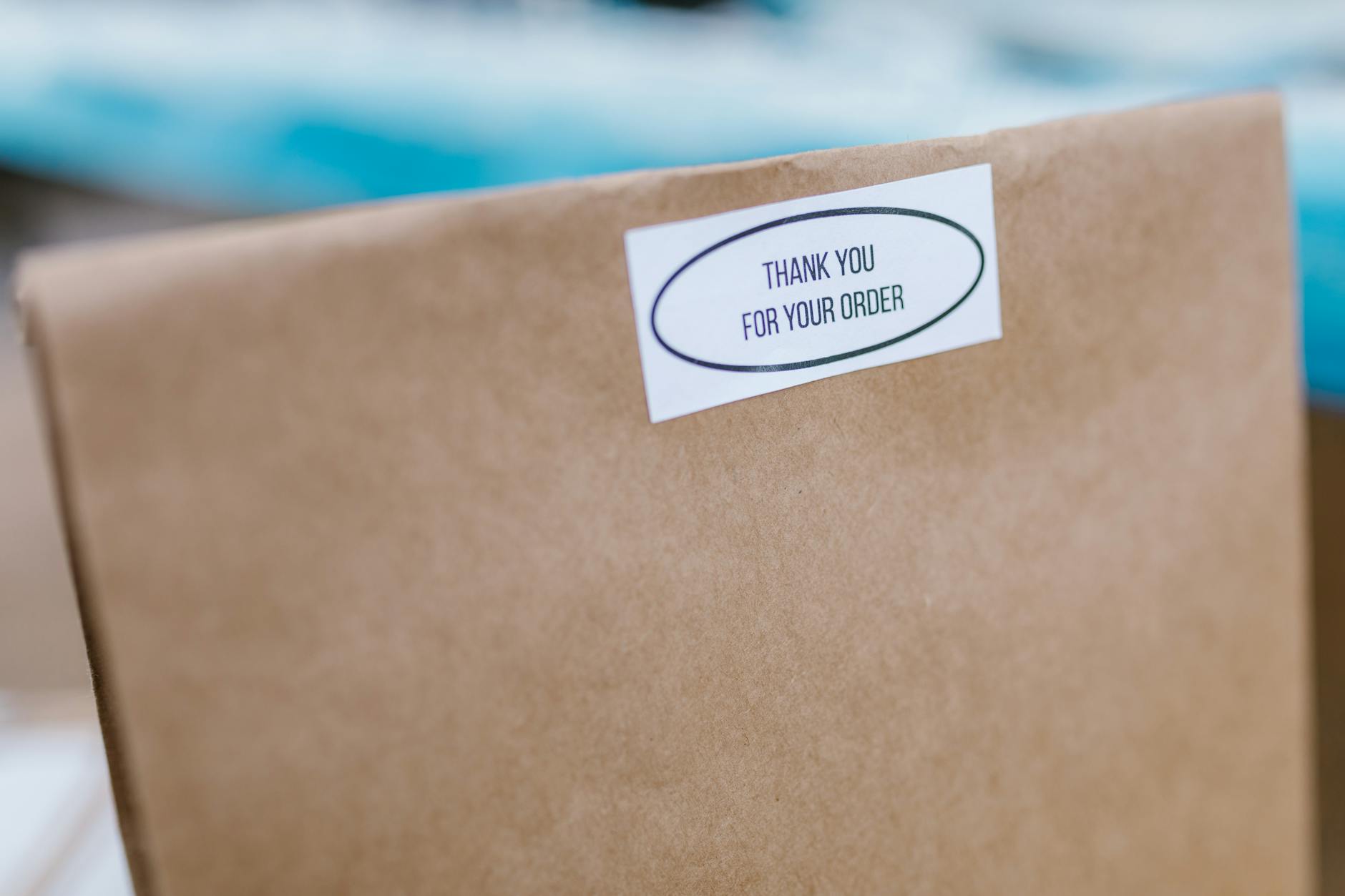
Custom stickers might be small, but their impact on brand visibility is anything but. Whether you’re a marketing agency building a merch kit for a client, a reseller sourcing branded items in bulk, or a business looking to add a polished finishing touch to packaging and promotional materials, custom stickers are one of the most versatile and cost-effective tools in your arsenal. In 2026, the demand for high-quality branded stickers across Australia continues to grow — and for good reason. They’re affordable, endlessly customisable, and appeal to virtually every industry from retail and hospitality to education and corporate services. This guide walks you through everything you need to know to source custom stickers strategically, avoid common pitfalls, and get the best possible results for your clients or your own brand.
Why Custom Stickers Remain a Staple in Branded Merchandise
It’s easy to overlook stickers in favour of higher-ticket branded items like personalised drink bottles or power banks, but stickers hold their own for a very specific reason: they travel. When someone slaps a well-designed sticker on their laptop, water bottle, skateboard, or car bumper, that brand gets seen by hundreds of people over months or even years. The cost per impression is extraordinarily low compared to almost any other promotional product category.
For resellers and marketing agencies, stickers are a reliable add-on product that clients consistently request. They’re easy to bundle into larger merchandise packages, low-risk to stock in small quantities, and fast to turn around compared to more complex decorated items.
From a practical standpoint, custom stickers are also incredibly flexible across industries:
- Retail and e-commerce brands use them for packaging, product labelling, and thank-you inserts
- Corporate businesses use them as logo decals, window branding, and event giveaways
- Schools and universities use them for student engagement, events, and fundraising
- Sporting clubs use them for fan merchandise and equipment identification
- Hospitality venues use them for branded packaging, loyalty promotions, and seasonal campaigns
That versatility makes them a genuinely useful product, not just a novelty.
Types of Custom Stickers: What to Know Before You Order
Understanding the different sticker types available in the Australian market is essential before placing an order — especially if you’re reselling or advising clients. The wrong product choice can result in stickers that peel prematurely, colours that look flat, or finishes that don’t suit the application.
Vinyl Stickers
Vinyl is the gold standard for durability and outdoor use. These stickers are waterproof, UV-resistant, and suitable for surfaces like cars, windows, drink bottles, and outdoor signage. If your client is a Brisbane tradie business wanting branded ute stickers, vinyl is non-negotiable.
Paper Stickers
Paper stickers are the most economical option and work well for indoor use — think product labels, packaging inserts, and promotional handouts at events. They’re not water-resistant, so they’re unsuitable for surfaces exposed to moisture or sunlight.
Clear/Transparent Stickers
Printed on clear vinyl or polypropylene, transparent stickers give a “floating logo” effect that looks premium on glass, bottles, and packaging. They work especially well for clients in retail or beauty sectors who want clean, modern branding.
Die-Cut Stickers
Rather than coming as a rectangle or circle, die-cut stickers are cut precisely to the shape of your design. This is where custom stickers really start to look professional. They’re popular for branding kits, merchandise packs, and event giveaways.
Kiss-Cut Stickers
Kiss-cut stickers are cut to the shape of the design but left on a backing sheet. This makes them easier to peel and ideal for sticker sheets, which have become a popular format for e-commerce businesses and youth-focused brands.
Holographic and Specialty Finishes
Holographic, glitter, and chrome finishes add a premium feel to stickers. These are especially effective in youth markets, gaming, and lifestyle brands. Expect a higher price point, but the visual impact often justifies the spend.
Decoration Methods and Print Quality Considerations
Custom stickers are produced through digital printing rather than traditional decoration methods like embroidery or screen printing. This means they’re capable of reproducing full-colour artwork — gradients, photography, complex illustrations — with no setup costs for colour separations.
That said, print quality varies significantly between suppliers. When briefing clients or evaluating supplier quotes, keep these factors in mind:
- Resolution: Artwork should be supplied at a minimum of 300 DPI for crisp results. Vector files (AI, EPS, or PDF) are ideal.
- Colour accuracy: Ask suppliers whether they use PMS colour matching or standard CMYK printing. For brand-critical applications, PMS matching ensures consistency across all your branded items.
- Lamination: Gloss, matte, or soft-touch lamination affects both the look and durability of the final product. Matte lamination is popular for premium packaging; gloss tends to make colours pop.
- Finish options: Whether it’s a gloss UV coating or a satin finish, the surface treatment significantly affects the perceived quality.
For agencies managing a full brand rollout — perhaps pairing stickers with promotional cooler bags, personalised tote bags, or branded polo shirts — colour consistency across all touchpoints matters enormously. Always request a physical proof or digital proof before approving a full run.
Minimum Order Quantities, Pricing, and Turnaround Times
One of the most common questions from resellers and business buyers alike is: how many do I have to order?
Custom stickers in Australia typically have low minimum order quantities (MOQs) compared to other promotional products. Depending on the supplier and product type, you can often order as few as 50 to 100 stickers, making them accessible for small businesses and pilot campaigns. Bulk orders — 1,000 units or more — unlock significant per-unit savings.
Pricing varies based on:
- Size: Larger stickers cost more. A 50mm round die-cut sticker will cost less per unit than an A5 vinyl sheet.
- Quantity: The more you order, the lower the per-unit price. Most suppliers offer tiered pricing.
- Material: Vinyl and specialty finishes cost more than standard paper stickers.
- Finish: Lamination and UV coatings add cost but improve durability and appearance.
- Complexity of cut: Simple shapes (circles, rectangles) are cheaper to produce than custom die-cut shapes.
For turnaround, standard production for custom stickers in Australia is typically five to ten business days after proof approval. Rush options are often available for an additional fee. If you’re ordering for a specific event — say, a Sydney trade show or a Melbourne product launch — always factor in lead time and allow buffer for proof revisions.
How to Brief Your Supplier Effectively
A smooth ordering process starts with a clear brief. Whether you’re dealing directly with a manufacturer or working through a reseller network, providing the right information upfront saves time, reduces back-and-forth, and minimises the risk of reprints.
Here’s what your sticker brief should include:
- Quantity required — including any variation sizes or designs
- Dimensions — height × width in millimetres, or diameter for round stickers
- Material preference — vinyl, paper, clear, etc.
- Finish — gloss, matte, or soft-touch laminate
- Shape — rectangle, circle, oval, or custom die-cut shape
- Artwork files — vector files preferred, with fonts outlined and PMS codes specified
- Application surface — where will the stickers be used? This affects material recommendation.
- Delivery deadline — including the required-by date and delivery address (city and state)
- Budget — including whether GST is included in your budget figure
The more context you provide, the better your supplier can guide you to the right product. Don’t assume — if a client is in Perth ordering stickers for outdoor signage, make that clear so the supplier recommends a UV-resistant vinyl rather than a paper label that will fade within weeks.
Pairing Custom Stickers with Your Broader Merch Strategy
Custom stickers work best as part of a broader branded merchandise strategy rather than as a standalone product. For marketing agencies and resellers, this is an opportunity to increase order value and deliver a more cohesive brand experience for clients.
Consider how stickers can complement other promotional products:
- Include a branded sticker sheet in a corporate welcome kit alongside a personalised coaster, a USB drive, and a mouse pad
- Bundle stickers with a promotional promo shirt or personalised bucket hat for event merchandise packs
- Add window decals to a retail brand’s order that already includes reusable shopping bags and branded wine glasses
- Use logo stickers as affordable filler items in a gift box that features a small cooler bag or sports bag
This bundling approach adds value for clients and positions you as a full-service merchandise partner rather than a transactional supplier.
Finding the Right Supplier for Custom Stickers in Australia
Not all sticker suppliers are created equal. For resellers and agencies, finding a reliable Australian supplier is critical — one with consistent print quality, clear lead times, and the capacity to handle both small runs and large-scale bulk orders.
When evaluating suppliers, consider:
- Sample availability: Can they provide a physical sample or proof before production?
- Artwork support: Do they offer basic artwork assistance, or do they require print-ready files?
- Production location: Locally printed stickers generally have faster turnaround and better quality control than offshore options.
- Pricing transparency: Are setup fees, GST, and freight clearly outlined in their quotes?
- Communication: A responsive account manager makes a significant difference when you’re managing tight deadlines.
It’s also worth checking whether a supplier can handle your full catalogue — if you’re regularly ordering stickers alongside items like refrigerator magnets, office calendars, personalised golf balls, or terry towelling hats, a single-source supplier relationship streamlines procurement considerably.
Conclusion: Key Takeaways for Sourcing Custom Stickers in Australia
Custom stickers are a deceptively powerful branding tool — affordable, versatile, and effective across virtually every industry and campaign type. For resellers and marketing agencies operating in Australia, they’re a reliable product that clients return to again and again, making them worth understanding deeply.
Here are the key points to take away:
- Choose the right material for the application — vinyl for outdoor or durable use, paper for short-term indoor applications, clear for premium packaging and glass surfaces
- Always request a proof before approving production — especially when colour accuracy and die-cut shapes are critical to the end result
- MOQs for custom stickers are generally low, making them accessible for small businesses and test campaigns, while bulk orders offer significant per-unit savings
- Bundle stickers with complementary products to increase order value and deliver a more cohesive branded merchandise experience for clients
- Brief your supplier thoroughly upfront — material, dimensions, finish, application surface, and delivery deadline — to avoid costly errors and delays
When sourced strategically and integrated into a broader merchandise plan, custom stickers deliver impressive brand visibility at a fraction of the cost of most promotional products.