
Custom Embroidery Patches in Australia: The Complete Guide for Businesses and Resellers
Everything Australian businesses and resellers need to know about sourcing custom embroidery patches — decoration, MOQs, suppliers, and more.

Written by
Mia Chen
Branding & Customisation
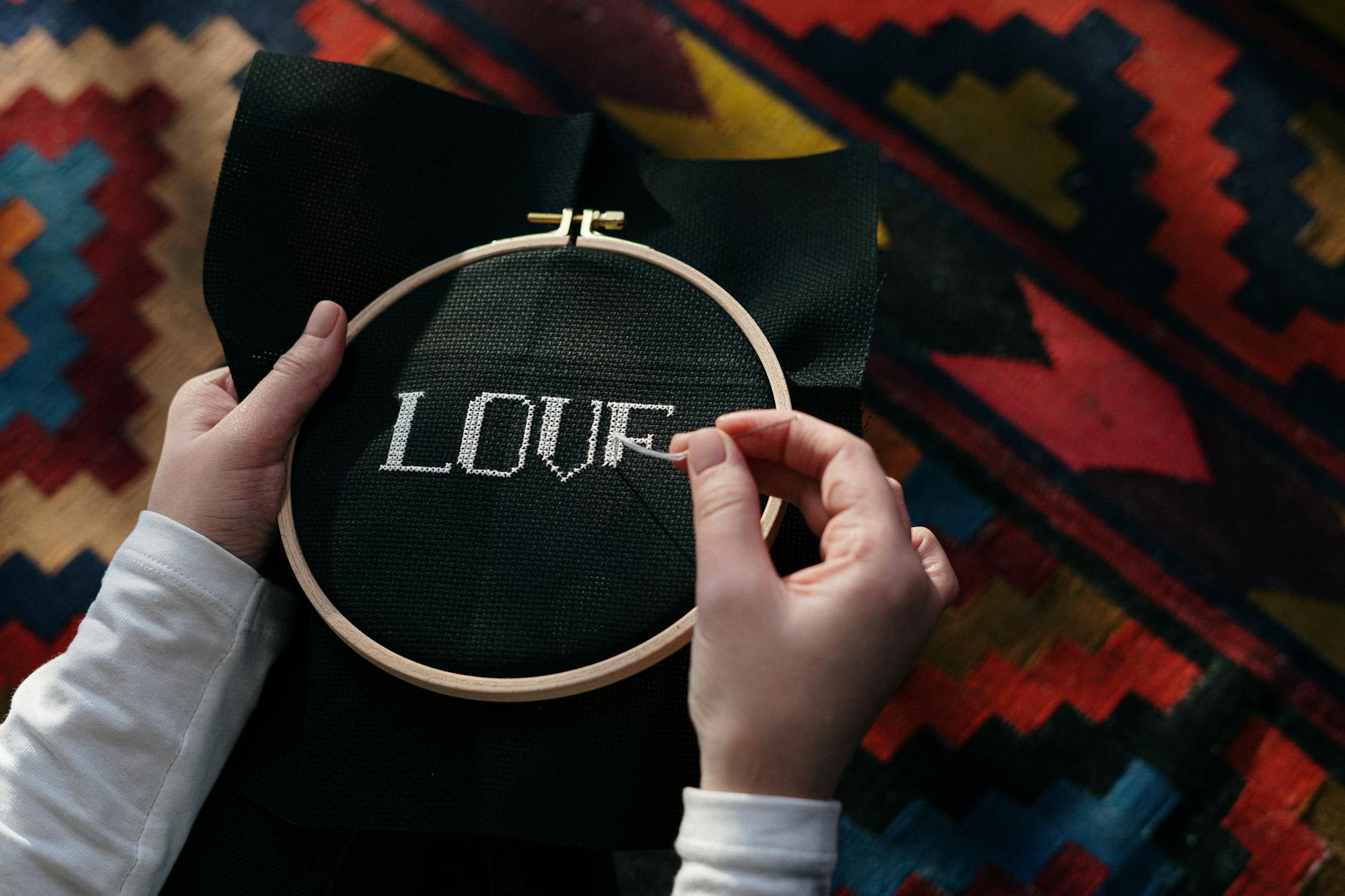
There’s something undeniably tactile and premium about a well-made embroidery patch. Whether it’s stitched onto a workwear jacket, ironed onto a backpack, or sewn onto a branded cap, custom embroidery patches carry a sense of craftsmanship that screen printing and heat transfer simply can’t replicate. For Australian businesses, marketing agencies, and merchandise resellers, patches represent one of the most versatile — and often underutilised — branding tools available. This guide breaks down everything you need to know about sourcing, specifying, and ordering custom embroidery patches in Australia, from artwork requirements and backing types through to minimum order quantities, turnaround times, and budget considerations.
What Are Custom Embroidery Patches and Why Are They So Popular?
At their core, custom embroidery patches are pre-made fabric pieces with a design stitched directly into them using coloured threads. Unlike direct embroidery — where the logo is stitched straight onto a garment — patches are produced separately and then applied to any item the wearer or brand chooses. This separation is precisely what makes them so useful.
Patches can be applied to virtually any textile surface: uniforms, caps, bags, jackets, denim, canvas tote bags, and even non-fabric items like lanyards and keyrings. A Sydney marketing agency might order 500 patches for a product launch campaign and distribute them as collectible brand assets. A Brisbane sporting club could use them as team badges on training jackets. A Melbourne corporate group might include them in premium gift packs alongside other branded items.
The resurgence of patch culture in fashion, workwear, and streetwear has made custom embroidery patches highly relevant again in 2026 — and Australian businesses are taking notice. For resellers in particular, patches offer a product that can be white-labelled, sold in bulk, and applied across a wide range of end-user applications.
Patch Types: Understanding Your Options
Before you approach a supplier, it’s worth understanding the main types of embroidery patches available:
- Standard embroidered patches – Traditional stitched patches on a twill or felt backing. These are the most common type and work well for logos with clear lines and limited colour gradients.
- Chenille patches – Made from looped yarn for a raised, textured look. Popular with universities, sporting clubs, and organisations wanting a vintage or letterman aesthetic.
- PVC patches – Not technically embroidered, but often grouped alongside traditional patches. These are moulded rubber badges with excellent durability for outdoor and workwear use.
- Woven patches – Similar to embroidered patches but produced on a loom, allowing for finer detail. Great for complex logos with small text.
- Sublimated patches – Use digital printing rather than thread. Best suited to photographic imagery or designs with gradient colours that embroidery can’t reproduce accurately.
Each type suits different applications, budgets, and branding outcomes. If you’re a reseller advising clients, understanding these distinctions will help you match the right product to each brief.
Decoration Methods, Backing Options, and Artwork Requirements
How Custom Embroidery Patches Are Made
Traditional embroidered patches are produced using commercial embroidery machines that stitch coloured threads onto a backing material — usually twill polyester or felt. The design is digitised first (converted from artwork into a stitch file), which is a crucial step that affects the final quality of the patch. Poor digitising leads to puckering, thread breaks, and loss of fine detail.
When sourcing patches in Australia, always ask the supplier whether digitising is included in the setup fee or charged separately. Setup fees typically range from $30 to $100 depending on patch complexity, and digitising is a one-off cost that applies to the first order.
Backing Types: Iron-On, Sew-On, Velcro, and More
The backing determines how the patch is applied:
- Iron-on (heat-activated adhesive) – The most popular option for promotional patches. Suitable for most natural fabrics and quick to apply, though the bond may weaken over time with repeated washing.
- Sew-on (plain backing) – More durable long-term. Required for synthetic fabrics where iron-on adhesive won’t bond properly.
- Velcro (hook-and-loop) – Ideal for tactical gear, workwear, and uniforms where patches need to be swapped out regularly.
- Self-adhesive (peel-and-stick) – Suitable for short-term or display use rather than garment application.
For branded workwear or long-term uniform applications, sew-on or velcro backing is generally recommended. If you’re producing patches as collectibles or event giveaways — where durability is less critical — iron-on is typically the most convenient option for end users.
Artwork Requirements
Most suppliers will request vector artwork in .ai or .eps format. Raster images (JPEGs, PNGs) can sometimes be used if the resolution is high enough, but vector files ensure the cleanest digitising outcome. PMS colour matching is standard for embroidery thread selection, so having your client’s brand colours in Pantone references will streamline the proofing process considerably.
For those newer to the patch ordering process, this is similar to the preparation required for our guide on pad printing on custom mugs in Australia, where artwork clarity directly influences the quality of the finished product.
Minimum Order Quantities, Pricing, and Turnaround Times
What to Expect With MOQs
Custom embroidery patches typically come with a minimum order quantity (MOQ) ranging from 50 to 100 units for standard runs through Australian suppliers. Some offshore-sourced products may allow lower MOQs, but the tradeoff is often longer lead times.
For resellers building a client campaign, ordering in bulk significantly reduces the per-unit cost. Here’s a rough guide to pricing tiers (pricing varies by supplier and specifications):
| Quantity | Estimated Cost Per Patch |
|---|---|
| 50–100 | $3.50 – $6.00 |
| 101–500 | $1.80 – $3.50 |
| 500+ | $0.80 – $1.80 |
These are indicative figures for a standard 8cm embroidered patch with 4–6 thread colours. Complex designs, premium backing types, or specialty materials will affect pricing.
Turnaround Times
Turnaround depends on supplier location and production method:
- Local Australian production: 7–14 business days from approved artwork
- Offshore production (with Australian supplier coordination): 3–6 weeks
- Rush orders: Some suppliers offer 5–7 business day turnaround at a premium
For time-sensitive campaigns — like a Perth mining company needing patches for a safety launch event — it’s worth confirming lead times upfront and building buffer time into your project schedule. This is equally important advice when sourcing winter promotional products in Brisbane where seasonal demand can affect supplier availability.
Applications Across Industries: Who Orders Custom Embroidery Patches?
Custom embroidery patches have remarkably broad industry appeal. Understanding the use cases helps resellers and businesses identify where patches can solve real branding problems.
Workwear and Uniforms
Trades, hospitality, healthcare, and transport industries frequently use patches to badge their teams without replacing entire uniforms. A trucking company might use velcro-backed patches on hi-vis vests so drivers can identify their fleet or division. This connects well with the world of branded apparel in the trucking industry, where durable, professional branding is a daily operational need.
Corporate and Events
Patches work beautifully as part of premium gift sets and conference merchandise. A Canberra government department might include a branded patch alongside a notebook and pen as part of a welcome pack for delegates. For agencies building luxury corporate gifting ideas for high-value clients, patches add a tactile, collectible quality that lifts the perceived value of any pack.
Sporting Clubs and Schools
Football clubs, netball associations, school sports teams, and TAFE student bodies all use patches as affordable badges of belonging. Adelaide school groups, for example, might order chenille patches for their athletics carnival jackets — an alternative to full custom branded apparel merchandise when budget is a consideration.
Charities and Awareness Campaigns
Patches are powerful tools for cause-driven organisations. During events like Mental Health Week, a charity might distribute iron-on patches as wearable symbols of solidarity — complementing other branded awareness products for offices in a broader campaign. Similarly, eco-focused organisations might pair patches with recycled branded merchandise in Australia to reinforce their sustainability message through every element of their merch mix.
Retail and Lifestyle Brands
Lifestyle and streetwear brands use custom embroidery patches as standalone retail products or packaging embellishments. The collectible nature of patches has made them a popular inclusion in product launch campaigns, particularly for brands targeting younger demographics across Sydney and Melbourne.
Choosing the Right Supplier for Custom Embroidery Patches
Finding a reliable supplier is arguably the most important step in the entire process. Here’s what to look for:
- Digitising capability: Does the supplier handle digitising in-house, or outsource it? In-house digitising typically means faster turnaround and better quality control.
- Physical samples: Request a pre-production sample before committing to a full run. Most reputable Australian suppliers will accommodate this, especially for orders over 200 units.
- Thread colour range: Ask whether they match to Pantone thread colours (such as Madeira or Isacord thread ranges) or work from a limited colour palette.
- Backing options: Confirm that your required backing type is available and included in the quoted price.
- Artwork support: Will they provide a digital proof before production? Proof approval is standard and essential — never skip this step.
For resellers managing multiple clients, it’s also worth establishing a supplier relationship that allows you to submit multiple jobs efficiently. Suppliers who offer client portals or account management support are particularly valuable when you’re running concurrent projects across different industries.
This same supplier-vetting discipline applies whether you’re sourcing promotional keyrings for interior design companies or premium corporate gifts on the Gold Coast — the criteria for quality and reliability remain consistent.
Tips for Getting the Best Results From Your Patch Order
- Keep designs bold and simple. Fine lines under 1mm and very small text (under 4pt) don’t translate well into embroidery stitches. Simplify where possible.
- Limit your thread colours. Most patches are quoted per number of colours. Keeping to 6 or fewer thread colours keeps costs manageable.
- Specify your border style. Patches typically have a merrowed (rolled edge) border or a heat-cut edge. Merrowed edges are more traditional; heat-cut allows irregular shapes.
- Order extras. It’s common practice to order 10–15% more than required to account for application losses, samples, and future use.
- Request a stitch count estimate. Higher stitch counts mean more thread coverage and a richer appearance, but also higher cost. Understanding this helps you balance quality against budget.
Conclusion: Key Takeaways for Sourcing Custom Embroidery Patches in Australia
Custom embroidery patches are a versatile, high-perceived-value branding product that suits a wide range of Australian businesses, organisations, and resellers. Whether you’re building a uniform badge programme, adding collectible elements to a corporate gift set, or offering patches as a standalone product for a lifestyle brand, the fundamentals remain the same: strong artwork, the right backing type, a reliable supplier, and clear communication throughout the proofing process.
Here are the key takeaways to carry forward:
- Choose the right patch type for the application — standard embroidered, woven, chenille, PVC, or sublimated — based on design complexity and end use.
- Understand backing options before specifying: iron-on suits promotional use, sew-on and velcro suit durable workwear and uniform applications.
- Budget realistically — setup and digitising fees apply to first orders, but per-unit costs drop significantly at higher quantities.
- Vet your supplier carefully — ask about digitising quality, sample availability, thread ranges, and proof processes before committing.
- Plan your timeline — local production typically takes 7–14 business days, while offshore coordination can stretch to 3–6 weeks, so build lead time into every brief.
With the right supplier relationship and a clear brief, custom embroidery patches can become one of the most impactful and memorable elements of any branded merchandise strategy.