
Recycled Branded Merchandise in Australia: The Complete Sourcing Guide
Discover how to source recycled branded merchandise in Australia — products, suppliers, decoration methods, MOQs and budgeting tips for 2026.

Written by
Isla Martinez
Eco & Sustainable Products
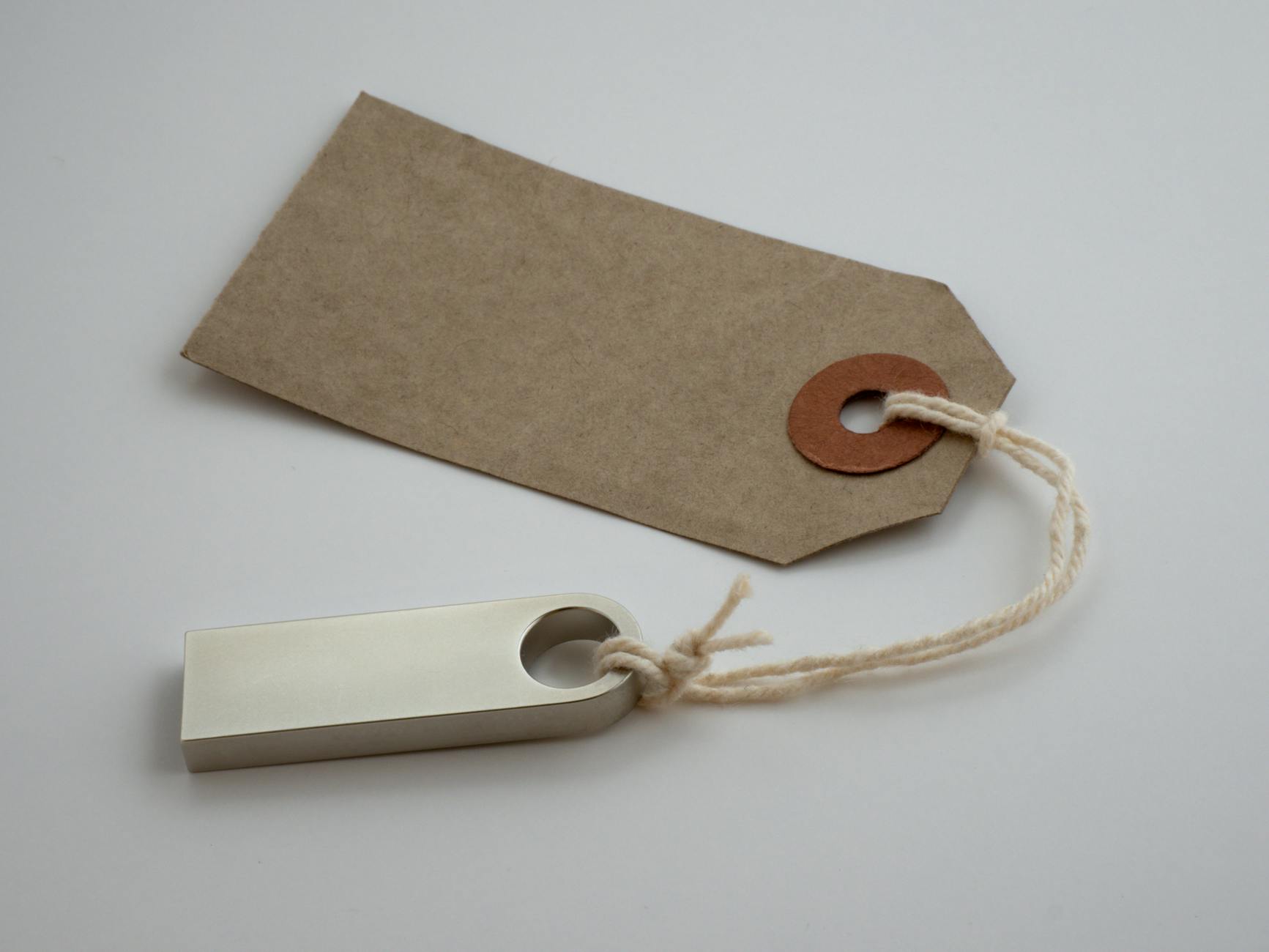
Sustainability is no longer a nice-to-have in the world of promotional products — it’s become a genuine expectation from clients, consumers, and stakeholders across Australia. Whether you’re a marketing agency briefing a campaign for a Sydney fintech company, a reseller working with a Brisbane council, or an in-house marketing manager selecting conference merchandise for a Melbourne trade show, the demand for recycled branded merchandise in Australia has never been stronger. But navigating this product category takes more than just swapping out standard items for “green” alternatives. It requires a solid understanding of materials, decoration compatibility, supplier capabilities, and how to communicate the sustainability story to end recipients. This guide covers everything you need to know.
Why Recycled Branded Merchandise Is Dominating Australian Marketing Budgets
The shift is being driven by a combination of consumer expectations, corporate ESG (Environmental, Social and Governance) commitments, and genuine environmental awareness. Organisations across Australia are increasingly held accountable for the merchandise they put into the world — and single-use or low-quality promotional items that end up in landfill within weeks don’t sit well with sustainability-minded audiences.
Recycled branded merchandise offers something that conventional promo products often struggle to deliver: perceived value and longevity. When a recipient receives a tote bag made from recycled PET bottles, or a notebook crafted from post-consumer waste paper, there’s a tangible story attached to the product. That story becomes part of the brand message itself.
For resellers and marketing agencies, this category also represents a strong commercial opportunity. Clients who are committed to sustainability are often willing to invest in higher-quality products, which means better margin potential and longer-term supplier relationships.
It’s also worth noting that Australian businesses are increasingly required to align with sustainability frameworks — particularly government departments, listed companies, and organisations in the healthcare and education sectors. Sourcing recycled promotional items helps these clients meet internal procurement guidelines while still producing impactful branded merchandise.
Understanding What “Recycled” Actually Means in Promotional Products
Before you start recommending recycled options to clients, it’s important to understand what the term actually encompasses — because not all “eco” claims are equal.
Recycled PET (rPET)
One of the most common materials in this category, rPET is made from post-consumer plastic bottles. It’s widely used in bags, drinkware, apparel, and accessories. Products made from rPET are durable, often water-resistant, and typically carry certifications like GRS (Global Recycled Standard) from reputable suppliers.
Post-Consumer Recycled (PCR) Materials
PCR refers to materials that have already been used by consumers and diverted from landfill. This includes recycled paper and cardboard used in notebooks and packaging, as well as recycled plastics and metals used in tech accessories and drinkware components.
Ocean-Bound Plastic
A step further than standard rPET, ocean-bound plastic is collected from coastal areas and waterways before it reaches the ocean. This material commands a premium and carries a powerful narrative — particularly well-suited to campaigns with an environmental focus.
Recycled Cotton and Fabric
Apparel made from recycled cotton blends (often combining post-consumer fabric scraps with new fibres) has grown significantly in popularity. These garments are softer, more breathable, and carry genuine sustainability credentials. If you’re exploring branded apparel options, it’s worth understanding embroidery on custom caps in Australia as a decoration method that works well on recycled fabric headwear without requiring harsh chemical processes.
Bamboo and Natural Alternatives
While bamboo is technically a renewable resource rather than a recycled material, it’s frequently grouped within eco-friendly merchandise ranges. The distinction matters when clients have specific recycled content requirements — be precise in how you categorise products.
The Most In-Demand Categories of Recycled Branded Merchandise in Australia
Recycled Drinkware
Drinkware is consistently one of the highest-performing promotional product categories in Australia, and the recycled segment is no exception. Bottles and keep cups made from rPET, recycled stainless steel components, or bamboo lids are hugely popular across corporate, events, and education sectors. To understand just how significant drinkware is as a category, our promotional drinkware industry statistics overview provides useful context for framing proposals to clients.
Recycled coffee cups and thermal bottles are particularly popular for conference merchandise and corporate gifting. If you’re working on an end-of-year client gifting brief, combining recycled drinkware with branded tea for Christmas gifts in Australia creates a thoughtful, sustainable gift set that recipients genuinely appreciate.
Recycled Bags and Totes
Bags are arguably the most visible product in the recycled merchandise category. rPET tote bags, backpacks made from ocean-bound plastic, and cooler bags constructed from recycled materials are all widely available with competitive MOQs — typically starting from 50 to 100 units for standard designs.
For events, markets, and retail activations, tote bags made from recycled content are a perennial favourite. They offer generous branding space, strong decoration compatibility, and align well with the values of eco-conscious audiences.
Recycled Stationery
Notebooks made from recycled paper, pens with recycled plastic or bamboo barrels, and lanyards produced from rPET or recycled woven materials are all strong sellers in the corporate and events space. Recycled lanyards in particular have seen significant uptake — if you’re sourcing in this category, our guide to custom made lanyards in Australia covers decoration options, MOQs, and what to look for in a quality supplier.
Recycled stationery works especially well for conference kits, delegate bags, and welcome packs — situations where every item in the bundle can reinforce a sustainability narrative.
Recycled Tech Accessories
Power banks, USB drives, and phone accessories manufactured with recycled plastics or reclaimed materials are growing in availability. Recycled cardboard packaging for tech products is also gaining traction as organisations look to reduce plastic in their gifting presentation. For an interesting angle, laser engraved LED torches in Australia are one product that can be sourced with recycled housing materials and decorated without the use of inks or solvents — making them a strong eco-friendly option for corporate gifting.
Recycled Apparel and Accessories
T-shirts, tote bags, and caps made from recycled cotton blends or rPET fabric are increasingly common in Australian branded merchandise ranges. These garments are popular with sporting clubs, events, schools, and corporates alike. For anyone exploring branded apparel more broadly, Toro branded apparel and merch offers useful background on apparel decoration and quality considerations.
Decoration Methods Compatible With Recycled Materials
Getting the decoration right is critical when working with recycled materials — some substrates behave differently to conventional plastics or fabrics, and not every decoration method is appropriate.
Screen printing works well on recycled cotton and rPET apparel, and is a cost-effective choice for higher volume runs. Embroidery is excellent for caps and bags made from recycled fabric, providing durability and a premium finish. Laser engraving is ideal for recycled bamboo and metal drinkware, producing a clean result without inks. Pad printing suits recycled plastic accessories and stationery items. Sublimation can work on rPET apparel where the fabric has a sufficient polyester content.
Always request a pre-production sample when working with recycled materials for the first time — surface textures and material composition can affect ink adhesion and decoration quality in ways that differ from standard products.
Sourcing and Supplier Considerations for Australian Resellers and Agencies
Finding the right supplier for recycled branded merchandise in Australia requires more than browsing a catalogue. Here are the key factors to evaluate:
Certifications and Transparency
Look for suppliers who can provide documentation for the recycled content claims they make. GRS (Global Recycled Standard), OEKO-TEX, and FSC certifications are commonly referenced. Ask for this documentation upfront — particularly for government, healthcare, or education sector clients who may require it for procurement compliance.
MOQs and Lead Times
MOQs for recycled products vary significantly by category. Recycled drinkware and bags often start from 50 units, while premium items like ocean-bound plastic backpacks may have higher thresholds of 100 to 250 units. Lead times are typically 10 to 20 business days from artwork approval, though rush production is sometimes available at a premium.
Artwork and Colour Matching
Recycled materials — particularly those with a natural or textured finish — can affect how colours reproduce. Discuss PMS colour matching expectations with your supplier before committing, as some surfaces may not achieve exact colour accuracy. This is particularly relevant for drinkware and bamboo products.
Sampling
Always request samples before placing a full production order. This is especially important when recommending a new recycled product to a client for the first time. Seeing and touching the product builds confidence and reduces the risk of surprises at delivery.
Budget and Pricing Guidance
Recycled branded merchandise generally sits at a slight price premium compared to conventional alternatives — typically 10 to 30 percent higher, depending on the product and material. However, clients investing in this category are often doing so as part of a broader sustainability strategy, which means price sensitivity is often lower than in standard promo product purchasing.
For agencies managing multi-line sustainability campaigns, bundling recycled items — such as a recycled notebook, rPET tote, and bamboo pen set — can create a strong perceived value proposition while keeping individual unit costs manageable. Premium corporate gifts on the Gold Coast is a useful reference point for understanding how to position higher-value eco product bundles for corporate clients.
Practical Applications Across Australian Sectors
Recycled branded merchandise works across virtually every sector. A Canberra government department might source rPET conference bags for a national policy forum. A Perth university could order recycled cotton hoodies for orientation week. An Adelaide not-for-profit might choose recycled paper notebooks for donor welcome kits.
For events specifically — from outdoor festivals in Queensland to trade expos in Melbourne — recycled merchandise tells a story that resonates strongly with modern audiences. Pair eco drinkware with branded reusable straws for a zero-waste conference kit that makes a genuine statement.
Even niche event applications benefit from this approach. For example, organisers of baby expos can choose recycled and natural material products that align with parent values — our overview of promotional merchandise for baby expos in Australia explores this in detail.
For outdoor and leisure campaigns, recycled merchandise can extend into unexpected product categories — even items like promotional branded insect repellent for camping promotions are increasingly available in eco-conscious packaging using recycled or post-consumer materials.
Seasonal campaigns are another natural fit. Easter promotional products in Perth and other calendar-based promotions are increasingly incorporating recycled packaging and sustainably sourced product options, allowing brands to align seasonal gifting with year-round sustainability commitments.
Key Takeaways
Navigating the recycled branded merchandise space in Australia takes knowledge, supplier diligence, and a clear understanding of what your clients actually need. Here’s a summary of the most important points to carry forward:
- Know your materials: rPET, PCR, ocean-bound plastic, and recycled cotton each carry different certifications, narratives, and price points — understand the distinctions before making recommendations.
- Match decoration to substrate: Laser engraving, screen printing, embroidery, and pad printing each suit different recycled materials — always confirm compatibility with your supplier and request samples.
- Ask for certification documentation: For government, education, and healthcare sector clients, certified recycled content may be a procurement requirement — build this into your sourcing checklist.
- Bundle thoughtfully: Combining recycled items across product categories creates a stronger sustainability story and higher perceived value for end recipients.
- Price at a premium with confidence: Recycled branded merchandise in Australia commands a modest price premium, but clients investing in this category are typically focused on impact, not cost-cutting — position accordingly.
The demand for recycled branded merchandise in Australia will only continue to grow as sustainability becomes embedded in corporate culture, public sector procurement, and consumer expectations. Resellers and agencies who build genuine expertise in this category now will be well-positioned to serve this growing market for years to come.