
Biodegradable Promotional Items: The Essential Guide for Eco-Conscious Brands
Discover the best biodegradable promotional items for eco-conscious brands in Australia — products, suppliers, tips and budgeting advice.

Written by
Isla Martinez
Eco & Sustainable Products
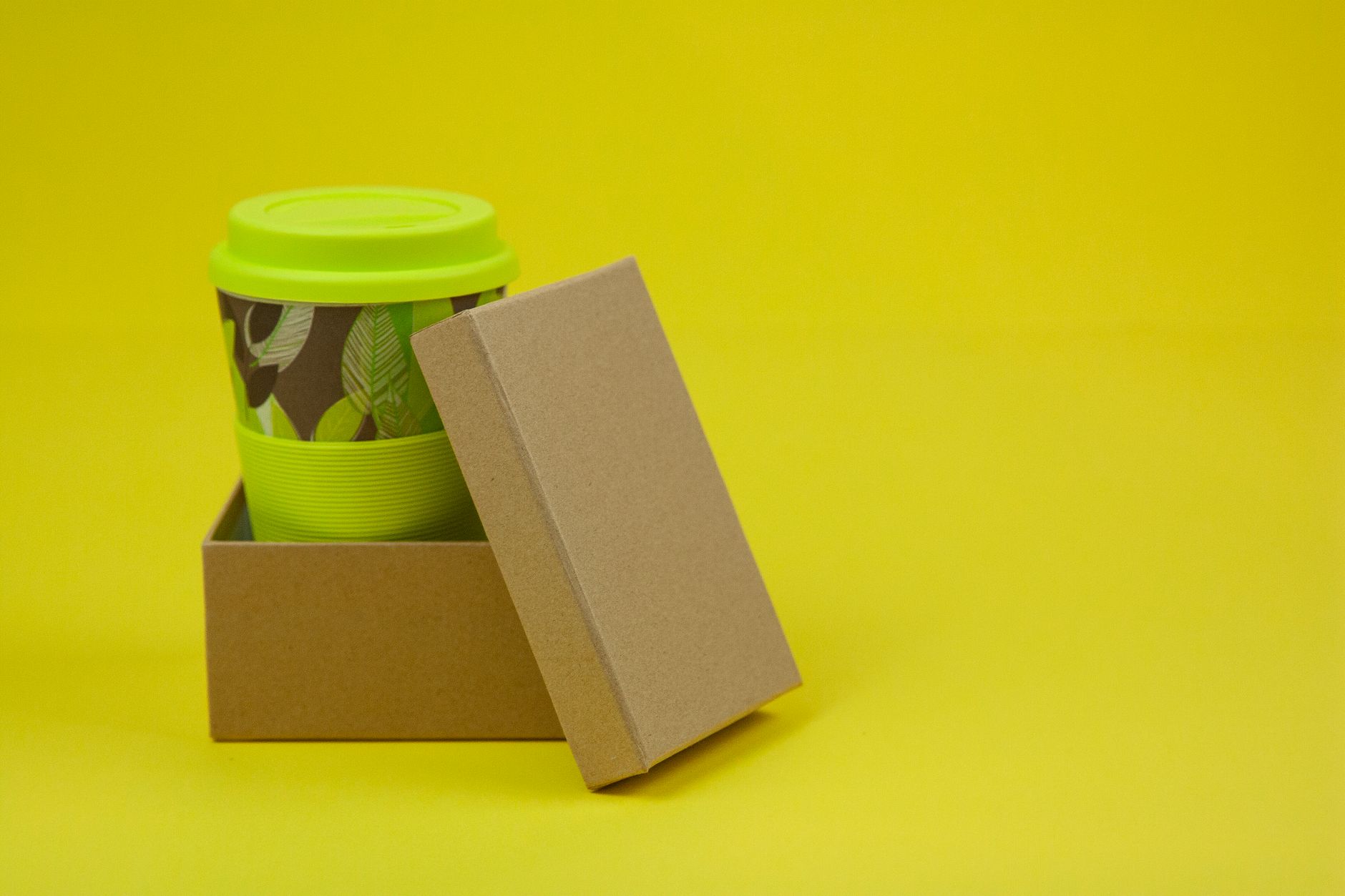
Sustainability isn’t a trend anymore — it’s a baseline expectation. Across Australia, businesses, marketing agencies and resellers are fielding increasingly urgent requests from clients who want their branded merchandise to reflect genuine environmental values. Biodegradable promotional items for eco-conscious brands have moved from a niche novelty to a mainstream procurement priority, and for good reason. Consumers notice when a brand’s swag ends up in landfill. They also notice — and remember — when it doesn’t. Whether you’re sourcing for a Sydney fintech company, a Melbourne sustainability conference, or a Brisbane council community event, this guide will walk you through everything you need to know to make smart, credible choices.
Why Biodegradable Promotional Items Matter More Than Ever
The promotional products industry has long operated on a “more is more” philosophy — high volumes, low unit costs, fast turnarounds. That model still works in many contexts, but it’s under increasing scrutiny. Australian consumers, particularly those under 40, are acutely aware of single-use plastic waste, microplastic pollution and the environmental cost of cheap, disposable merchandise.
For brands positioning themselves as environmentally responsible, handing out plastic-heavy merchandise creates an immediate credibility gap. It’s hard to talk about your carbon reduction targets while distributing hundreds of plastic pens at your next trade expo.
Biodegradable promotional items close that gap. They allow brands to participate in the valuable visibility game of promotional merchandise while staying aligned with their sustainability commitments. And critically, they give resellers and marketing agencies a compelling product story — one that’s easy to communicate to end-user clients and genuinely differentiates their offer.
It’s also worth noting that the bar has risen. “Eco-friendly” used to mean slapping a recycled logo on a cotton tote. Today’s eco-conscious buyers are asking harder questions: What’s this made from? How does it break down? What certifications does it carry? You need to be ready with real answers.
For a broader look at how sustainable thinking is reshaping the market, our overview of recycled branded merchandise in Australia is an excellent companion read to this guide.
Understanding What “Biodegradable” Actually Means
Before diving into product categories, it’s worth clarifying the terminology — because it’s frequently misused.
Biodegradable means a material can be broken down by bacteria, fungi or other living organisms into natural substances like water, carbon dioxide and biomass. The timeframe matters enormously. A product that takes 500 years to degrade is technically biodegradable but offers little practical benefit over conventional plastic.
Compostable is a stricter standard. Compostable products are biodegradable, but they also break down within a specific timeframe (typically 90–180 days in industrial composting conditions) and leave behind no toxic residue. Look for certifications like AS 4736 (Australian standard for industrial composting) or AS 5810 (for home composting) when evaluating products.
Plant-based or bio-based materials are derived from renewable resources like corn starch, sugarcane, bamboo or wheat straw — but not all plant-based materials are biodegradable, so don’t conflate the two.
When sourcing biodegradable promotional items for eco-conscious brands, always ask suppliers for certification documentation. Reputable Australian promotional product suppliers should be able to provide this without hesitation.
Top Biodegradable Promotional Product Categories
Bamboo and Wheat Straw Products
Bamboo has become the poster material for eco-friendly promotional merchandise — and with good reason. It’s one of the fastest-growing plants on Earth, requires no pesticides, and produces a hard, durable material suitable for a wide range of products. Branded bamboo pens, cutlery sets, desk accessories and drinkware are all widely available through Australian suppliers.
Wheat straw is another standout. Derived from the agricultural waste left over after wheat harvest, it’s converted into a plastic-like material that’s genuinely biodegradable. Wheat straw coffee cups, lunch boxes, and phone stands have become popular corporate gifting items. They look modern and feel premium — which matters when you’re presenting merchandise to a corporate client.
Seed Paper and Paper-Based Products
Seed paper is one of the most conversation-starting biodegradable promotional products available. Embedded with wildflower or herb seeds, these cards, bookmarks or notebooks can be planted directly in soil — they literally grow into something after use. For brand activations, product launches or sustainability campaigns, seed paper products generate genuine engagement and delight.
Beyond seed paper, the category of paper-based promotional products has expanded significantly. Recycled cardboard packaging, FSC-certified notebooks, and even paper-based alternatives to standard promotional items all offer strong eco credentials. Our piece on paper for cups explores how sustainable material choices extend even into branded food service products.
Natural Fibre Bags
Jute, organic cotton, hemp and cork bags represent some of the most practical and popular biodegradable promotional items available. Tote bags remain one of the highest-impression promotional products on the market, and when they’re made from natural, biodegradable fibres, they carry both functional and reputational value.
A Perth sustainability expo organiser, for example, might commission 500 organic cotton tote bags printed with their event branding — knowing that attendees will reuse them for years and that, at end of life, the bag will break down naturally. Our detailed guide to personalised tote bags covers everything from material choices to decoration methods, and our post on tote bag printing in Australia walks through the production process in depth.
Compostable Drinkware
Branded drinkware is one of the most enduring categories in promotional products. The eco-friendly evolution has brought compostable coffee cups, bamboo keep cups, and plant-based reusable bottles to the forefront. For cafés, conference organisers and health brands, these products deliver high daily visibility with minimal environmental impact.
If you want to understand how drinkware is evolving from a market intelligence perspective, our analysis of promotional drinkware industry statistics provides valuable context, and our post on using promotional drinkware for brand awareness offers practical campaign strategy.
Natural and Organic Personal Care Items
Sunscreen, lip balm, insect repellent and hand cream packaged in biodegradable or recyclable containers make for highly practical promotional gifts — particularly for outdoor events, festivals and trade shows. When the packaging itself is eco-certified, the brand alignment is clear and immediate.
For outdoor-focused brands and events, our guide to promotional branded insect repellent for camping promotions is worth a look.
Plantable and Seed-Based Stationery
Beyond seed paper, the broader category of plant-based stationery — pencils made from recycled newspaper, biodegradable pens with seed capsules in the end, and cork-covered notebooks — offers accessible, lower-budget options that still tell a strong sustainability story.
Decoration Methods for Biodegradable Products
One consideration that often surprises buyers is that eco-friendly products require equally eco-conscious decoration choices. Screen printing bamboo with solvent-based inks, for example, undermines the environmental story of the product.
Look for suppliers who use:
- Water-based or soy-based inks for printing on natural fibres and paper products
- Laser engraving for bamboo, cork and wood products — this leaves no ink residue and produces a premium finish
- Embroidery with organic threads on natural fibre bags and apparel
- Debossing on cork or leather alternatives for a chemical-free decoration option
Asking about decoration methods is just as important as asking about materials when briefing biodegradable promotional items for eco-conscious brands.
Budgeting and MOQ Considerations
It’s a fair question: do biodegradable products cost more? In many cases, yes — but the gap has narrowed considerably as demand has scaled up and supply chains have matured.
Here’s a rough guide to typical price ranges in the Australian market:
- Seed paper cards or bookmarks: $1.50–$4.00 per unit (MOQ: 100–250 units)
- Wheat straw coffee cups: $4.00–$8.00 per unit (MOQ: 50–100 units)
- Bamboo pens: $2.50–$6.00 per unit (MOQ: 100 units)
- Organic cotton tote bags: $5.00–$12.00 per unit (MOQ: 50–100 units)
- Bamboo cutlery sets: $5.00–$10.00 per unit (MOQ: 50 units)
Setup fees and artwork preparation costs are comparable to standard promotional products. Turnaround times are typically 10–20 business days for decorated items, though express options are sometimes available for simpler products.
For resellers and agencies working with clients on premium gifting, there’s often a willingness to pay more for eco-certified products — particularly in sectors like healthcare, education, government and professional services. If you’re sourcing corporate gifts on the Gold Coast or advising clients on premium gifting strategy, our resource on premium corporate gifts on the Gold Coast offers useful pricing context.
Finding Reliable Suppliers for Biodegradable Promotional Items
The promotional products market is crowded, and greenwashing is a real concern. When evaluating suppliers, look for:
- Third-party certification — AS 4736, AS 5810, FSC certification for paper products, GOTS (Global Organic Textile Standard) for apparel
- Transparency about country of origin — not all bamboo products are equal; sourcing matters
- Sample availability — always request a pre-production sample before committing to large runs
- Willingness to provide material data sheets — a credible supplier can tell you exactly what their product is made from
Our broader resource on finding promotion websites and supplier platforms can help resellers identify vetted Australian supplier networks worth working with.
It’s also worth noting that biodegradable options now exist across almost every product category. Even niche items like personalised mint tins for restaurant table branding are increasingly available in recyclable or compostable formats.
Communicating the Eco Story to End Buyers
Sourcing great biodegradable merchandise is only half the job. The other half is communicating its value clearly — to your clients, and ultimately to their customers and recipients.
Consider including:
- A small card or hang tag explaining what the product is made from and how to dispose of it properly
- QR codes linking to the supplier’s sustainability certification page
- Packaging made from recycled or compostable materials that reinforces the message
This storytelling layer is especially important for virtual event merchandise kits and direct mail campaigns, where the product’s sustainability story can be woven into accompanying materials. Our post on virtual event merchandise trends post-pandemic covers this well.
For seasonal campaigns — particularly summer and winter activations — eco-friendly products can be tailored to context. Our guide to winter promotional products in Brisbane touches on how seasonal relevance shapes product selection.
Key Takeaways
Sourcing biodegradable promotional items for eco-conscious brands requires more rigour than standard merchandise procurement — but the payoff in brand alignment, client satisfaction and market differentiation is significant.
- Know your terminology. Biodegradable, compostable and plant-based are distinct concepts. Always verify certifications before making claims to clients.
- Match decoration methods to materials. Eco-friendly products deserve eco-friendly printing and finishing options — laser engraving and water-based inks are strong defaults.
- Budget realistically. Premium sustainable products carry a modest cost premium, but client willingness to pay has grown substantially in line with sustainability expectations.
- Tell the story. Product tags, packaging and campaign copy that explain the sustainability credentials of your merchandise dramatically increase its perceived and actual value.
- Vet your suppliers carefully. Greenwashing is prevalent. Ask for certifications, request samples, and work with suppliers who can back up their claims with documentation.
The shift toward biodegradable and compostable promotional products is accelerating across Australia. Brands, agencies and resellers who develop genuine expertise in this space — understanding materials, certifications, decoration methods and the storytelling layer — will be far better positioned to serve the market in 2026 and beyond.