
Virtual Event Merchandise Trends Reshaping How Australian Brands Connect Post-Pandemic
Explore the biggest virtual event merchandise trends post-pandemic and how Australian businesses can stay ahead in 2026.

Written by
Chloe Baptiste
Industry Trends & Stats
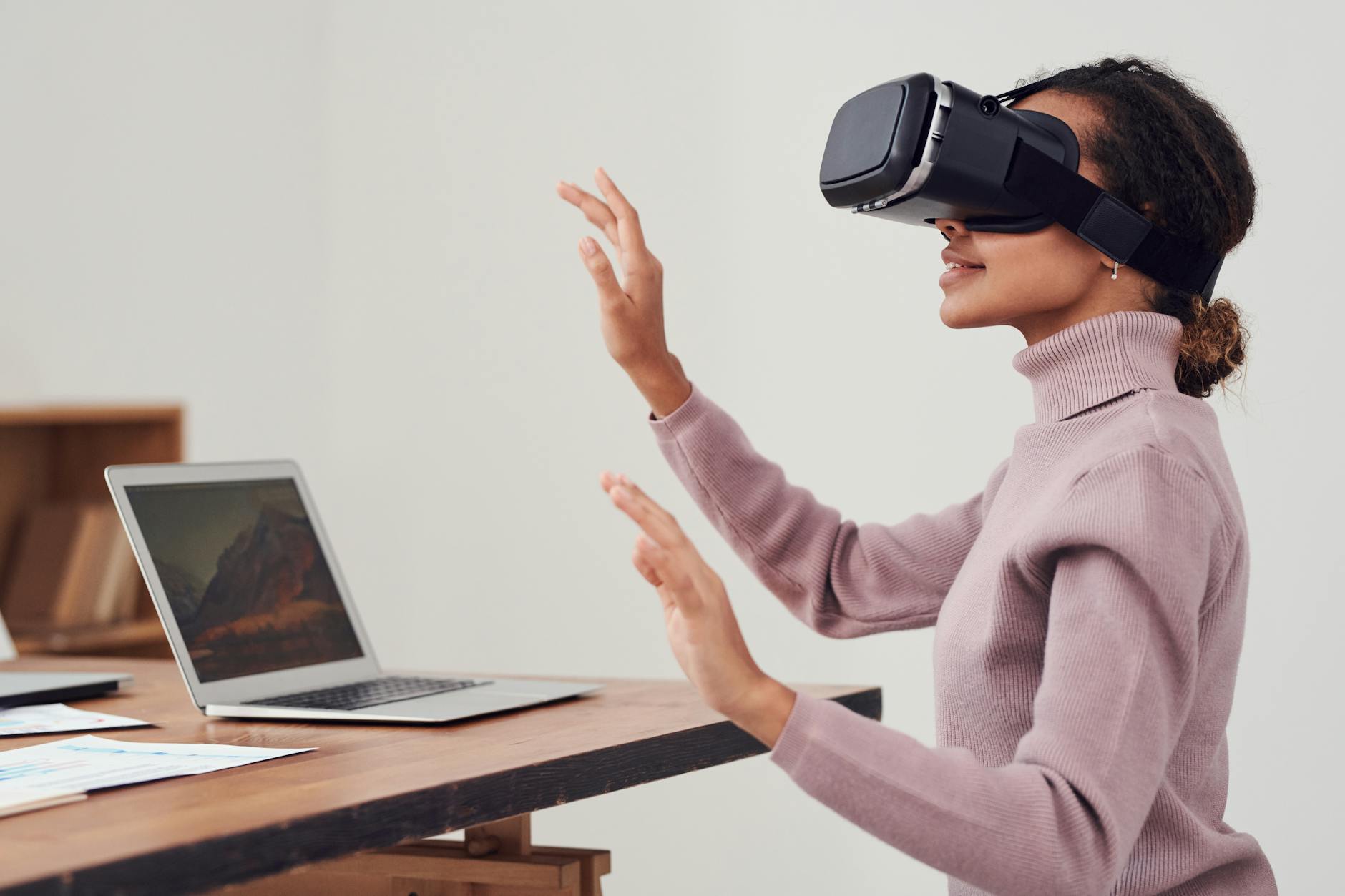
The way Australians attend events changed forever between 2020 and 2022. What began as a scramble to shift conferences, product launches, and team-building days into digital spaces quietly evolved into something far more sophisticated — and the branded merchandise industry evolved right along with it. In 2026, virtual and hybrid events are no longer a fallback option; they’re a deliberate, strategic format. And the merchandise that supports them? It’s smarter, more intentional, and more closely tied to brand experience than ever before. If you’re a marketing agency, reseller, or business looking to understand the virtual event merchandise trends post-pandemic, this guide breaks down what’s changed, what’s driving demand, and how to make the right product choices for your next event.
Why Virtual Events Changed the Merchandise Landscape Forever
Before the pandemic, event merchandise was simple: fill a tote bag with branded pens, a notebook, and maybe a stress ball, and hand it to attendees at the door. That model collapsed almost overnight when events went online. Brands had to rethink merchandise from the ground up — because there was no “door” to hand anything to anyone at.
What emerged was something genuinely interesting. Organisations started sending curated merchandise packs directly to attendees’ homes ahead of virtual events. Suddenly, the humble swag bag became a physical touchpoint in a digital world. A well-timed delivery of quality branded goods arriving before a webinar or virtual conference created anticipation, reinforced brand presence, and gave attendees something tangible to interact with during the event itself.
That shift in thinking hasn’t faded as in-person events have returned. Instead, it’s matured into a permanent fixture of event marketing strategy. Today’s event coordinators — whether they’re organising a hybrid summit in Sydney or a fully virtual product launch for a Brisbane tech firm — understand that merchandise is a relationship-building tool, not just a freebie.
The Rise of Curated Experience Packs
One of the most significant virtual event merchandise trends post-pandemic is the move away from bulk generic giveaways toward tightly curated experience packs. Rather than ordering 500 identical products and hoping attendees find them useful, brands are now building cohesive merchandise kits around a theme or event narrative.
A Sydney-based financial services firm running a virtual leadership summit, for example, might send each of their 150 registered attendees a premium pack containing a branded keep cup, a leather-bound notebook, a quality pen, and a personalised thank-you card — all presented in a branded gift box. Every item earns its place in the pack. Nothing feels like an afterthought.
This approach has several practical implications for suppliers and resellers:
Smaller Quantities, Higher Quality
Curated packs tend to involve smaller order quantities but higher per-unit spend. MOQs (minimum order quantities) matter here — sourcing suppliers who can accommodate runs of 50–300 units across multiple product types is increasingly important. It’s worth understanding how premium corporate gifts in the Gold Coast and other major markets have evolved to reflect this demand for quality over volume.
Premium Decoration Methods Are in Demand
When a product is going into a carefully assembled gift box, decoration quality matters enormously. Embossing, laser engraving, and full-colour digital printing are all popular choices. For items like branded mugs, pad printing on custom mugs delivers clean, professional results that hold up well against the premium packaging they’re often paired with. Similarly, laser engraved LED torches represent the kind of premium, functional product that earns a spot in a curated corporate gift pack.
Sustainability Is No Longer Optional
The pandemic accelerated environmental awareness among Australian consumers and, by extension, corporate buyers. Organisations that once viewed eco-friendly merchandise as a nice-to-have are now treating it as a baseline expectation — particularly when shipping products directly to people’s homes, which raises questions about packaging waste and the environmental cost of freight.
Recycled branded merchandise has seen consistent growth in demand, with popular choices including recycled PET tote bags, bamboo products, and reusable drinkware. For virtual event packs, reusable drinkware is a particularly smart inclusion — it’s useful, it’s visible, and it aligns with sustainability messaging. Our detailed look at promotional drinkware and brand awareness explores just how effective these products are as long-term brand carriers.
Melbourne and Canberra organisations — particularly those in the government, education, and not-for-profit sectors — have been especially active in requesting sustainable merchandise options. If you’re advising a client on their virtual event merchandise strategy and they haven’t raised sustainability yet, it’s worth bringing it up proactively.
Drinkware Dominates Virtual Event Merchandise
Ask any promotional products supplier what the most requested item is for virtual event packs, and drinkware will almost always be at the top of the list. There’s a simple reason: when people attend a virtual event from home or the office, they’re already making a coffee or filling a water bottle. A branded keep cup or insulated tumbler that arrives before the event feels immediately relevant and useful.
The promotional drinkware industry statistics paint a clear picture — drinkware consistently ranks among the highest-retention promotional products across all categories. Recipients keep them, use them daily, and are regularly exposed to the brand imprint. For virtual event organisers who want their brand to outlast the event itself, drinkware is hard to beat.
Popular formats for virtual event packs include:
- Double-wall insulated tumblers with laser engraving or full-colour wrap printing
- Reusable coffee cups (often called keep cups in Australia) in custom brand colours
- Branded ceramic mugs for home office environments
On the subject of cups, it’s also worth understanding how paper for cups and associated packaging decisions play into broader sustainability credentials — useful context when advising clients who are conscious of their environmental footprint.
Apparel Is Making a Comeback in Virtual Event Kits
In the early days of virtual events, organisers were hesitant to include apparel in merchandise packs — sizing complexities and freight costs made it feel like too much trouble. That hesitation has largely evaporated. Advances in size-selection tools, smoother supplier logistics, and a better understanding of attendee preferences have made apparel a viable and popular inclusion.
For virtual events with a team-building or brand culture focus, a quality embroidered cap or a custom hoodie can transform an attendee into a genuine brand advocate. Embroidery on custom caps remains one of the most respected decoration methods for headwear — it signals quality and longevity in a way that heat transfer simply can’t match. For a more relaxed event with a brand-loyal audience, something like a custom truckers hat adds personality and collectability to a merchandise pack.
If your client is running a trade show or expo with a hybrid component — a physical floor in Melbourne alongside a virtual attendance option for interstate participants in Perth or Darwin — coordinating apparel so that both in-person and remote attendees feel included is a powerful brand equity move. For apparel sourcing with strong brand credentials, it’s worth exploring options like Toro branded apparel and merch to understand what quality-tier options are available.
Novelty and Memorable Products Are Earning a Place
Not every virtual event merchandise pack needs to be a collection of premium executive gifts. There’s growing recognition that memorable, unexpected products can generate just as much brand recall as expensive ones — sometimes more.
Personalised items, quirky inclusions, and products that match the event’s personality are all gaining traction. A fun virtual trivia night for a pet care brand, for example, might include custom squeaky pet toys with company logo printing — an unexpected touch that delights attendees and perfectly fits the brand context. Similarly, personalised mint tins can add a charming, low-cost inclusion to any merchandise pack.
The key is coherence. Every product in a virtual event pack should feel like it belongs — either because it’s useful, because it’s on-brand, or because it creates a moment worth remembering.
Logistics and Lead Times: The Practical Reality
One aspect of virtual event merchandise that’s easy to underestimate is the logistics challenge. Unlike an in-person event where everything arrives at a single venue, virtual event merchandise may need to be individually packaged and shipped to hundreds of different addresses across Australia — from Adelaide apartments to rural Queensland properties.
Lead times need to account for:
- Product production and decoration (typically 7–15 business days for most items)
- Individual packing and kitting
- Freight to multiple destinations
This is why fast turnaround promotional products are so valuable for event teams that are working to tight timelines. Choosing suppliers who can accommodate kitting and drop-shipping to multiple addresses saves enormous time and reduces the risk of a merchandise pack arriving after the event has already happened — which defeats the entire purpose.
For large-scale virtual events, working with a supplier who can manage the full fulfilment process (pick, pack, personalise, and ship) is far more efficient than trying to coordinate it internally.
What to Tell Your Clients: A Practical Checklist
If you’re a reseller or marketing agency advising a client on their virtual event merchandise strategy, here are the most important questions to work through early:
- How many attendees are you expecting, and where are they located? This determines shipping complexity and budget.
- What’s the event’s tone and purpose? A corporate compliance summit calls for different products than a creative agency’s virtual brand launch.
- What’s the per-pack budget? Including fulfilment, packaging, and freight — not just product cost.
- Is sustainability a priority for your brand or your audience? If so, filter product choices accordingly.
- When does the pack need to arrive relative to the event? Work backwards to set realistic production and dispatch deadlines.
- Are there any seasonal considerations? A winter promotional product pack for a June event in Brisbane is a very different brief to a summer kit for a December launch in Perth.
Conclusion: Key Takeaways on Virtual Event Merchandise Trends Post-Pandemic
Virtual and hybrid events are a permanent part of the Australian events landscape, and the merchandise strategies that support them have matured significantly since the early days of pandemic pivoting. In 2026, the organisations getting this right share some common traits — they’re investing in quality over quantity, thinking carefully about sustainability, and treating merchandise as a strategic brand touchpoint rather than a logistical afterthought.
Here’s a summary of what to keep in mind when navigating virtual event merchandise trends post-pandemic:
- Curated experience packs outperform generic swag bags — smaller quantities, higher quality, and coherent brand storytelling make a stronger impression.
- Drinkware and apparel remain the most impactful product categories for virtual events, offering high daily usage and sustained brand visibility.
- Sustainability is a baseline expectation, not a differentiator — eco-friendly choices are now expected by many Australian audiences.
- Logistics planning is just as important as product selection — shipping to multiple individual addresses requires early planning, flexible suppliers, and realistic lead times.
- Unexpected, personality-driven inclusions create the moments people remember — a thoughtful quirky product can be more memorable than an expensive generic one.
The brands and agencies that understand these shifts are already using merchandise to create genuinely meaningful connections with virtual audiences. Getting your supplier strategy right is the foundation that makes all of it possible.