
Printing on a Mug: A Complete Guide for Australian Businesses and Resellers
Learn everything about printing on a mug in Australia — decoration methods, MOQs, costs, and how to source the right supplier for your brand.

Written by
Luca Osei
Drinkware
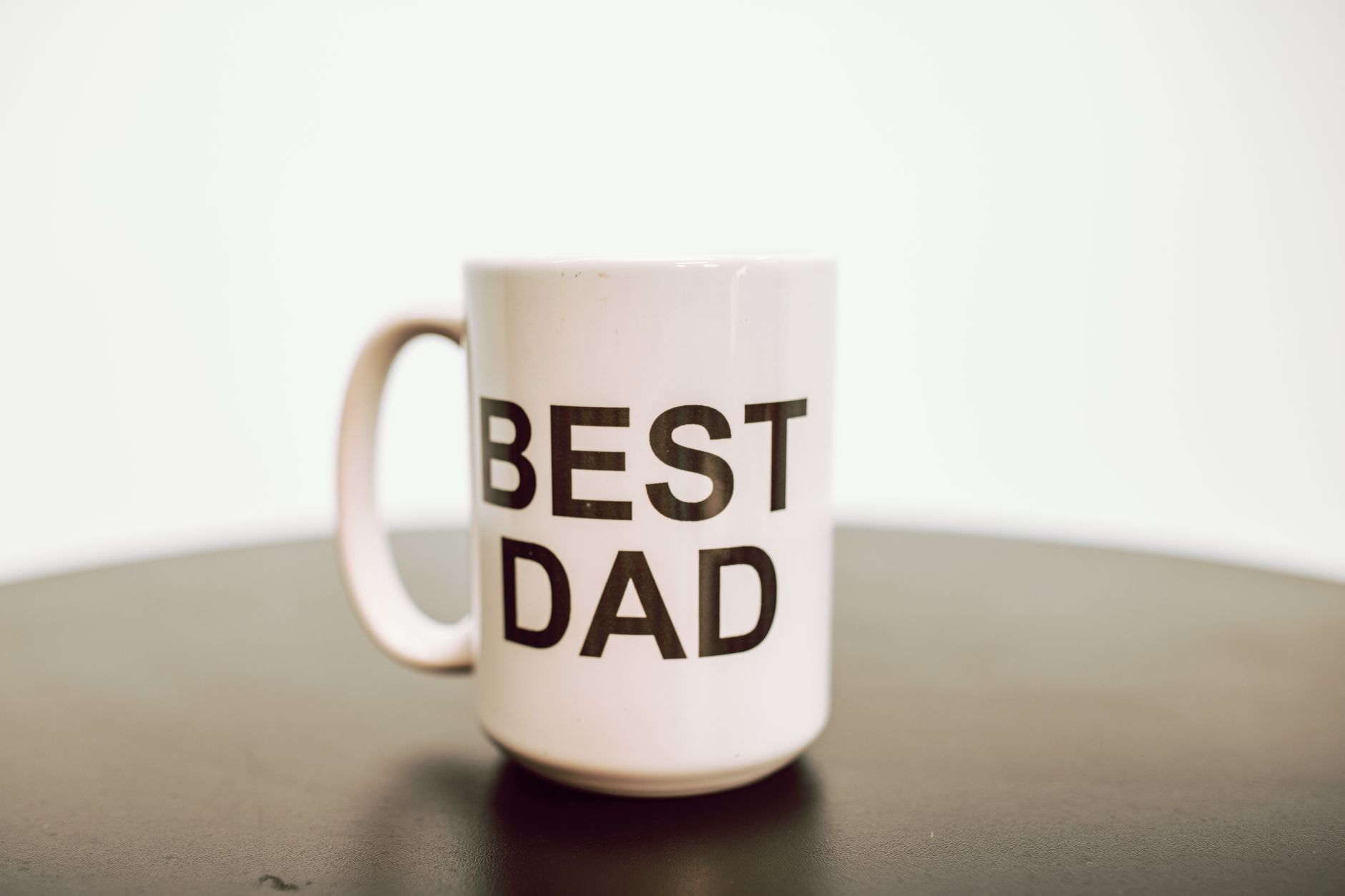
There are few promotional products as universally loved as a custom branded mug. Whether it’s sitting on a desk in a Sydney CBD office, being used in a staff room at a Melbourne primary school, or handed out at a Brisbane trade expo, a well-decorated mug delivers daily brand impressions in a way that few other products can. But for businesses, marketing agencies, and resellers navigating the world of custom drinkware, the process of printing on a mug can feel deceptively complicated. Which decoration method is right for your design? What quantities do you need? How do you brief a supplier properly? This guide breaks it all down so you can make informed, confident decisions every time.
Why Custom Mugs Remain One of Australia’s Most Popular Promotional Products
Before diving into the technicalities of decoration, it’s worth understanding why custom mugs continue to dominate promotional budgets across the country. According to data explored in our analysis of promotional drinkware industry statistics, mugs and cups consistently rank among the highest-retention promotional items — meaning recipients keep them longer than almost any other category. That’s exceptional value for any marketing dollar.
For resellers, mugs represent a reliable, repeatable revenue stream. Clients return for reorders year after year — for new staff, updated branding, event giveaways, and Christmas gifting. For marketing agencies managing branded merchandise programmes, mugs offer flexibility across virtually every client sector: corporate, government, education, hospitality, and healthcare alike. And for businesses ordering direct, the range of mug styles, colours, and decoration options means it’s easy to find something that aligns precisely with your brand aesthetic and budget.
The broader shift toward branded drinkware as a gifting tool has also been covered in our piece on how promotional drinkware builds brand awareness, which is worth exploring if you’re new to this product category.
Understanding the Different Methods for Printing on a Mug
This is where things get genuinely interesting — and where the right choice can make or break the quality of your finished product. There is no single “best” method for printing on a mug. The right approach depends on your design complexity, the material of the mug, the quantity you’re ordering, and your budget. Here’s a breakdown of the most common techniques used by Australian suppliers.
Pad Printing
Pad printing is one of the most widely used methods for ceramic mugs in Australia, particularly for straightforward, one or two-colour logos. The process uses a silicone pad to transfer ink from an etched plate onto the curved surface of the mug. It’s cost-effective at medium to high volumes, produces clean and consistent results, and works well with PMS colour matching for brand accuracy.
The limitation of pad printing is that it isn’t ideal for photographic images, gradients, or highly detailed artwork. If your logo is a clean, vector-based design with defined colours, pad printing is a solid choice. Typical minimum order quantities (MOQs) for pad-printed mugs sit around 50–100 units with most Australian suppliers, though some will accommodate smaller runs with higher unit pricing.
Full Colour Digital Printing (CMYK)
For designs that include photography, multi-colour gradients, or intricate artwork, full colour digital printing is the go-to method. Applied directly to the mug’s surface using UV or ceramic inks, digital printing opens up significant creative possibilities. It’s particularly popular for real estate agencies wanting property imagery on mugs, or event organisers printing full-colour event artwork.
Keep in mind that digital printing on ceramic mugs typically requires firing in a kiln to set the inks permanently, which adds to production time. Turnaround times for digitally printed ceramic mugs are often 10–15 business days from artwork approval, so plan accordingly if you have a hard deadline.
Sublimation Printing
Sublimation is arguably the most vibrant and durable decoration method available for mugs — but it comes with a critical catch. Sublimation only works on polymer-coated mugs (or fully coated ceramic mugs with a polymer layer). It cannot be applied to standard uncoated ceramics.
The process involves printing a design onto special transfer paper using sublimation inks, then pressing it against the mug under heat and pressure. The inks vaporise and permanently bond with the polymer coating, producing full-wrap, photographic-quality imagery that is embedded into the surface rather than sitting on top. This makes sublimated mugs extremely scratch-resistant and dishwasher-safe.
For resellers supplying photo gifts, real estate clients, or premium corporate gifting campaigns, sublimation-printed mugs are an outstanding option. If you’re exploring other sublimation-friendly gift products, our guide on personalised digital photo frames for corporate gifts in Australia is a useful companion resource.
Laser Engraving
While more commonly associated with metal drinkware — think stainless steel travel mugs and tumblers — laser engraving can also be applied to certain ceramic or enamel mugs. The process removes the surface coating to reveal the base material beneath, creating a premium, tactile finish that feels distinctly upscale.
Laser engraving is popular in the premium corporate gifts space and is often used for executive gift sets where the mug is paired with another laser-engraved item such as a pen, notebook, or keyring. It’s worth noting that laser engraving is a single-colour (or more accurately, no-ink) process — the “colour” is determined entirely by the contrast between the coating and the base material.
Wrap-Around vs. One-Sided Decoration
Regardless of the decoration method you choose, you’ll also need to decide on coverage. Most standard mug decorations are applied to one side — typically a logo, tagline, and website URL. However, full-wrap decoration is available with sublimation and some digital printing processes, allowing your design to cover the entire 360-degree surface of the mug. This is a popular option for premium gifting and event merchandise where maximum visual impact matters.
Choosing the Right Mug Style for Your Decoration Method
Not all mugs are created equal, and the style of mug you select will directly influence which decoration methods are available to you. Here’s a quick overview of popular mug types and their decoration compatibility.
Standard ceramic mugs (11oz or 15oz): The most popular promotional mug style in Australia. Compatible with pad printing, digital printing, and sublimation (on polymer-coated versions).
Enamel mugs: A rustic, vintage aesthetic that’s hugely popular with outdoor brands, camping events, and lifestyle businesses. Best suited to pad printing or screen printing. See how similar branding approaches work across other outdoor product categories in our overview of promotional branded insect repellent for camping promotions.
Stainless steel travel mugs and keep cups: Increasingly popular given the broader sustainability conversation. Laser engraving, pad printing, and screen printing are all common options. These mugs are also closely related to the paper cup category — our guide on paper for cups explores complementary products worth bundling.
Glass mugs: Used for premium gifting and hospitality. Compatible with pad printing and etch cream (sandblast effect).
Plastic reusable mugs: Popular for school canteens, sporting clubs, and outdoor events. Typically decorated via pad printing or screen printing.
Artwork Preparation: Getting It Right Before You Brief a Supplier
One of the most common sources of delay and frustration in the mug printing process is poorly prepared artwork. Suppliers across Australia consistently report that a significant proportion of orders are held up because clients submit low-resolution images, incorrect colour profiles, or unsuitable file formats.
Here’s what you should prepare before approaching a supplier:
- Vector files are preferred. AI, EPS, or PDF files created in vector format (e.g., Adobe Illustrator) can be scaled infinitely without quality loss. This is especially important for pad printing and screen printing.
- High-resolution raster files (minimum 300 DPI at print size) are acceptable for digital and sublimation printing.
- Specify your PMS colours if brand colour accuracy is critical. This is particularly important for government departments, franchises, and any client with strict brand guidelines.
- Confirm your decoration area dimensions. Most suppliers provide a template showing the printable area for their specific mug model. Always ask for this before finalising your design.
If you’re a reseller managing artwork on behalf of clients, building a simple artwork briefing checklist into your workflow will save you significant back-and-forth time. This principle applies across many product categories — as we’ve noted in our guide on tote bag printing in Australia, clean artwork preparation is consistently one of the most controllable factors in achieving a quality outcome.
MOQs, Pricing, and Turnaround Times: What to Expect in Australia
Budget is always a consideration, and mug printing costs in Australia vary considerably depending on method, quantity, and supplier. Here are some general benchmarks to work from in 2026:
- Pad-printed ceramic mugs: From approximately $4–$8 per unit at 100 pieces, reducing significantly at 500+ units
- Sublimation mugs (full wrap): From approximately $6–$12 per unit at 50 pieces
- Laser-engraved stainless steel travel mugs: From approximately $15–$30 per unit depending on mug quality
- Setup fees: Range from $30–$80 per colour/position depending on method and supplier
Standard turnaround times for in-stock mug orders are typically 7–12 business days from artwork approval. Rush or express options may be available at a premium — always confirm lead times upfront, especially if you’re ordering for an event or conference with a fixed date.
For resellers looking to compare suppliers and understand what a quality promotion website should offer in terms of transparency and ordering tools, checking whether a supplier publishes clear pricing, artwork guidelines, and MOQ information online is a good starting point.
Related Products to Bundle With Custom Mugs
Smart resellers and agencies rarely sell mugs in isolation. Branded mugs work beautifully as part of broader gifting or event merchandise packages. Some popular bundling combinations include:
- Mugs + branded notebooks and pens (desk gifting sets)
- Mugs + tote bags — our guide on personalised tote bags covers this category in detail
- Mugs + power banks — see our power bank and phone charger guide for context
- Mugs + keyrings — especially relevant for real estate and interior design clients; our piece on promotional keyrings for interior design companies has useful framing
For clients with sustainability goals, pairing mugs with other eco-conscious products creates a cohesive brand story. Our guide to recycled branded merchandise in Australia is an excellent resource for building out a greener merch strategy.
Seasonal bundling is also worth considering — winter promotional products in Brisbane are a prime example of how mugs can be positioned as timely, contextually relevant gifts rather than generic giveaways.
Conclusion: Key Takeaways for Printing on a Mug in Australia
Printing on a mug is far more nuanced than it might initially appear, but getting it right isn’t complicated when you understand the fundamentals. Here’s a summary of the most important points to carry forward:
- Choose your decoration method based on design complexity, mug material, and budget — pad printing suits simple logos, sublimation excels for full-colour and full-wrap designs, and laser engraving delivers a premium tactile finish
- Prepare professional artwork before approaching a supplier — vector files, correct DPI, and PMS colours will dramatically reduce delays and improve outcomes
- Understand MOQs and lead times upfront — most Australian suppliers require 50–100 units minimum, and standard turnaround is 7–15 business days from artwork approval
- Bundle mugs with complementary products to increase order value and create more memorable gifting packages for your clients
- Consider sustainability when selecting mug materials and decoration methods — reusable, quality-made mugs aligned with eco-friendly brand values resonate strongly with today’s recipients across every sector
Whether you’re a reseller building your product knowledge, an agency briefing a supplier on behalf of a client, or a business ordering direct for the first time, this guide gives you the foundation to approach the process with confidence and clarity.