
Polo Shirts for Women: How to Choose, Customise and Order in Bulk
Everything businesses and resellers need to know about ordering custom polo shirts for women in Australia — fit, decoration, suppliers and more.

Written by
Kai Williams
Custom Apparel
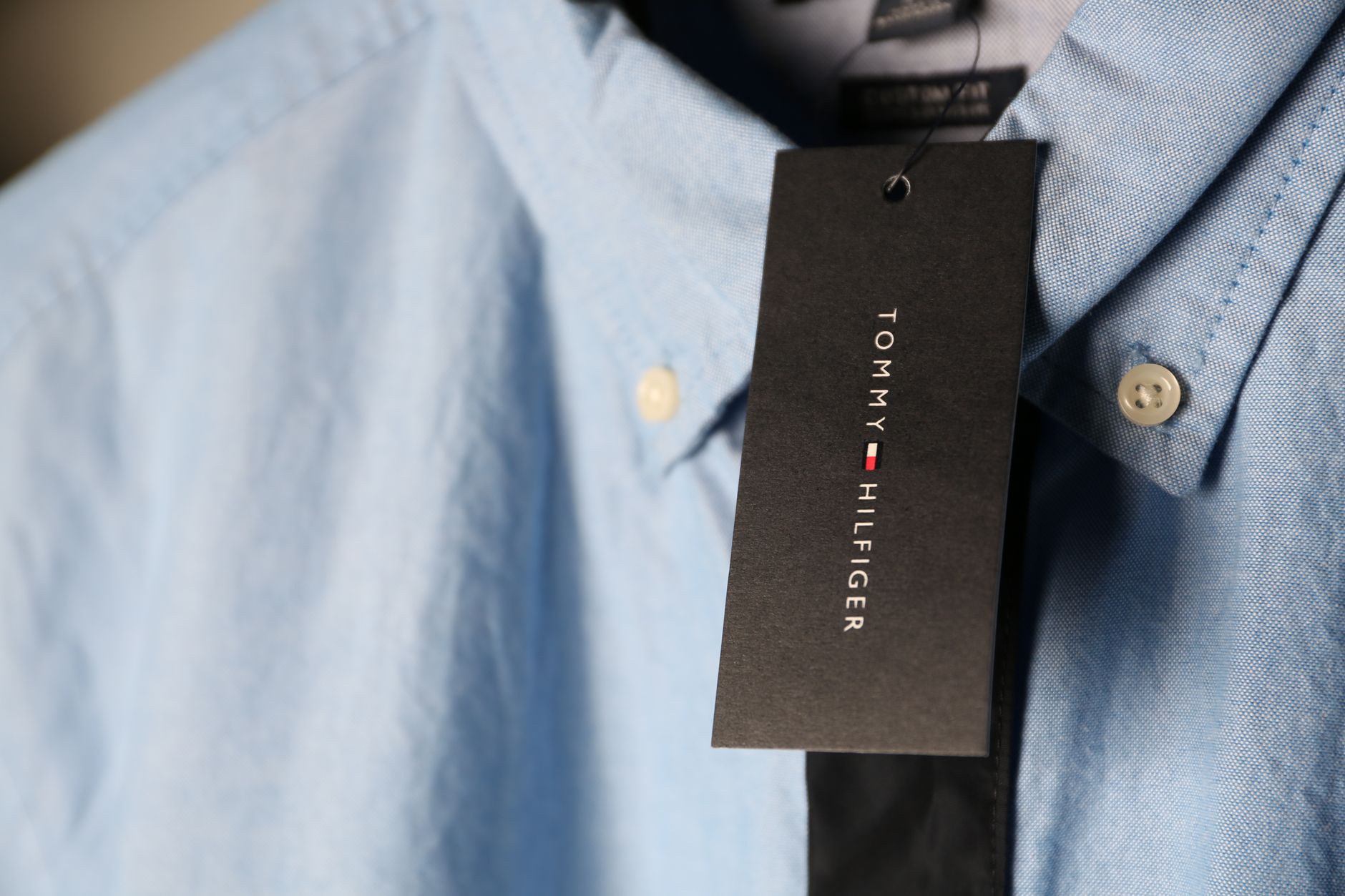
Polo shirts have long been a staple of corporate uniforms, sporting clubs, and branded workwear — but for too long, women’s options were treated as an afterthought. A slightly smaller version of the men’s style, boxy through the torso, and rarely flattering. Thankfully, that’s changed significantly. Today, polo shirts for women’s teams, workforces, and events come in tailored cuts, premium fabrics, and a huge range of decoration options that make them genuinely wearable, professional, and on-brand. For Australian businesses, marketing agencies, and resellers looking to source custom women’s polos in bulk, knowing what to look for — and what to avoid — can make the difference between merchandise people actually wear and boxes of unwanted garments sitting in a storeroom.
Why Women’s Polo Shirts Deserve Their Own Category
It sounds obvious, but many businesses make the mistake of ordering unisex or men’s polos and expecting them to work across their entire team. They don’t — not really. Women’s bodies have different proportions, and a garment that fits well on a man will typically sit awkwardly on a woman, pulling across the chest, gaping at the collar, or sitting too long through the hip.
Women’s polo shirts are cut differently. They typically feature a more shaped waist, shorter body length, and a narrower shoulder. Higher-quality styles also include side seams that allow for a more tailored silhouette, rather than the boxy tube construction you often see in cheaper unisex options. Side splits at the hem are also common in women’s styles, adding a small but practical detail that improves comfort and movement.
For a Melbourne financial services firm kitting out their front-of-house team, or a Gold Coast tourism operator dressing guides and hospitality staff, these details matter enormously. Staff who feel comfortable and well-dressed in their uniform are more likely to wear it properly — and present the brand more effectively.
If you’re comparing options for your next uniform project, our guide to choosing between unisex and gender-specific corporate apparel is a good place to start.
Key Features to Look for When Sourcing Polo Shirts for Women’s Uniforms
Not all women’s polos are created equal. Whether you’re a reseller building a client’s uniform range or a business manager ordering direct, here’s what to evaluate before committing to a bulk order.
Fabric and Weight
The most common fabrics for women’s polo shirts in Australia are:
- Cotton piqué – the classic polo fabric. Breathable, structured, and holds its shape well. Ideal for corporate and retail environments.
- Polyester or poly-blend – lighter and more moisture-wicking. Popular for sports clubs, outdoor roles, and warmer climates like Brisbane, Darwin, and Perth.
- Cotton-polyester blend – balances comfort and durability. The most common choice for general-purpose corporate uniforms.
For hot climates or physical roles, a moisture-wicking polyester blend is a practical choice. For more formal office environments, a heavier cotton piqué projects a premium feel.
Fabric weight is measured in grams per square metre (GSM). Lighter fabrics (150–180 GSM) suit warmer conditions and active wear. Heavier options (200–240 GSM) feel more substantial and are often preferred for corporate settings.
Fit and Sizing Range
A good supplier will offer women’s polos across a genuine size range — typically sizes 8 through 24 or beyond. Be wary of suppliers who only stock XS through XL in women’s styles; inclusive sizing matters, and it matters to your clients too.
Look for size charts that include actual measurements (chest, waist, hip, body length) rather than just generic S/M/L labels. This makes it much easier to advise clients and reduce the number of exchanges after delivery.
Collar and Button Styles
The collar is one of the most visible elements of a polo shirt, so it’s worth paying attention to. Rib-knit collars are standard and durable. Some premium women’s styles feature a flattened or satin-collar finish for a more refined look. The placket (the button section) typically has 2–3 buttons; some women’s styles use a hidden placket for a cleaner finish.
Colour Options and PMS Matching
For branded uniforms, colour consistency is essential. Check whether a supplier offers PMS (Pantone Matching System) colour matching for decoration — this ensures the embroidered or printed logo aligns with the brand’s official colour palette. Most quality wholesale polo suppliers offer a solid range of base colours, but for exact brand colours, you’ll need to confirm PMS availability with your supplier or decorator.
Decoration Methods for Custom Women’s Polo Shirts
Once you’ve chosen the garment, the next major decision is how to decorate it. The most common methods for polo shirts are embroidery, screen printing, heat transfer, and sublimation — each with its own strengths.
Embroidery
Embroidery is the most popular decoration method for polo shirts across corporate Australia. It produces a professional, textured finish that reads as high-quality and durable. It handles washing well and doesn’t fade or crack over time.
Embroidery is best suited to logos with clean lines and a limited colour palette. Highly detailed designs or gradients don’t translate well to thread. Most embroidered logos on polo shirts sit on the left chest, though sleeve placements are also common.
For a detailed breakdown of the decoration decision, our comparison of embroidery vs screen printing for branded apparel covers the key trade-offs in depth.
Screen Printing
Screen printing works well for bold, simple designs and is cost-effective at volume. It’s less common on polo shirts than on t-shirts, largely because the piqué texture of a polo can affect print clarity. That said, it’s a viable option for back prints or large designs where embroidery would be impractical.
Heat Transfer and DTG
Heat transfer (including digital transfer and DTF — Direct to Film) is increasingly popular for short-run orders. It allows for full-colour designs without the high setup costs of screen printing. Digital-to-garment (DTG) printing is less common on polo shirts due to the fabric texture, but digital transfer can work well for photographic or gradient-heavy logos.
Sublimation
Sublimation printing is ideal for fully custom polo designs — think sporting clubs wanting all-over colour blocks and patterns. It requires 100% polyester fabric to work properly, which limits its use to performance-style polos rather than cotton piqué styles. A Canberra netball club wanting unique team colours across the full garment, for instance, would find sublimated polos a strong option.
If you’re working with schools or sporting clubs, our guide to sublimation printing for custom sportswear is worth reviewing before you advise clients on the best approach.
Ordering in Bulk: MOQs, Lead Times, and Pricing
Understanding the logistics of bulk ordering is critical for resellers and businesses managing uniform rollouts.
Minimum Order Quantities
Most wholesale polo shirt suppliers in Australia work with MOQs starting around 12–24 pieces for embroidered styles. Decorated orders through a decorator or print shop may have lower minimums (as few as 6 pieces) but will typically carry higher per-unit pricing. Blank polo shirts can often be ordered in smaller quantities through wholesale apparel distributors.
For a Sydney marketing agency ordering client uniforms, having a clear picture of MOQs across multiple suppliers is essential for quoting accurately.
Lead Times
Standard bulk orders with embroidery decoration typically carry a 2–3 week turnaround from artwork approval. Screen-printed or heat-transferred orders may be slightly faster. Rush options are available through many suppliers but come at a premium. Always build buffer time into project timelines — especially for end-of-year events or new-employee onboarding programs.
Our overview of typical turnaround times for custom apparel orders in Australia outlines what realistic timelines look like for different decoration methods and order volumes.
Pricing Tiers
Polo shirt pricing scales significantly with volume. A single embroidered women’s polo might cost $35–$60 depending on the garment and supplier. At 50 units, that can drop to $25–$40. At 200+ units, per-unit costs can fall further, particularly if you’re ordering through a wholesale distributor rather than a retail decorator.
Setup fees for embroidery (digitising the artwork) typically range from $30–$80 and are usually a one-time cost once the file is saved. Always clarify whether setup fees are included in quoted pricing.
For resellers managing client budgets, our guide to pricing custom embroidered apparel for resellers includes a practical framework for calculating margins.
Tips for Resellers and Marketing Agencies
If you’re sourcing polo shirts for women’s uniform programs on behalf of clients, a few practical habits will save you time and protect your reputation.
Always order a sample before committing to bulk. Fit and fabric feel vary significantly between suppliers. A sample lets you or your client assess the quality firsthand — and catch any sizing issues before they become costly.
Provide a complete size run breakdown upfront. Ask clients to confirm individual sizes before you place the order. Reordering single pieces in one size is rarely economical, and some suppliers have MOQs per colour or style that make top-ups expensive.
Standardise your artwork requirements. Vector files (AI, EPS, or high-resolution PDF) are required for most decoration methods. Collecting this from clients early avoids delays at the proof stage.
Include a care label communication. Women’s polo shirts — particularly those made from poly-blend or performance fabrics — often have specific washing instructions. Sharing care information with clients reduces premature garment wear and avoids complaints down the track.
For more operational guidance, our checklist for managing a large custom apparel order covers everything from brief to delivery.
Conclusion: Getting Women’s Polo Shirts Right Matters
Investing the time to source the right polo shirts for women’s uniforms isn’t just about garment quality — it’s about showing the people wearing them that they’ve been considered. A well-fitted, properly decorated women’s polo reflects positively on the brand, lifts staff confidence, and holds up to the wear and washing of daily use.
Here are the key takeaways for businesses and resellers:
- Choose a genuinely women’s-specific cut rather than defaulting to unisex or men’s styles — the fit difference is significant and noticeable.
- Match fabric to the environment — cotton piqué for corporate settings, poly-blend for outdoor or active roles, and 100% polyester for sublimation.
- Embroidery remains the gold standard for corporate polo decoration, but consider heat transfer for small runs and sublimation for full-colour custom designs.
- Order samples before bulk — especially when introducing a new supplier or garment style to your offering.
- Build realistic lead times into your project schedule, particularly for large or multi-location uniform rollouts.
With the right supplier relationships and a clear brief, sourcing custom women’s polos in Australia is a straightforward process — and the results speak for themselves.