
Paper for Cups Explained: What Australian Businesses Need to Know Before Ordering
Discover how paper for cups affects branded drinkware quality, print results, and supplier sourcing in Australia. Essential reading for resellers and businesses.

Written by
Luca Osei
Drinkware
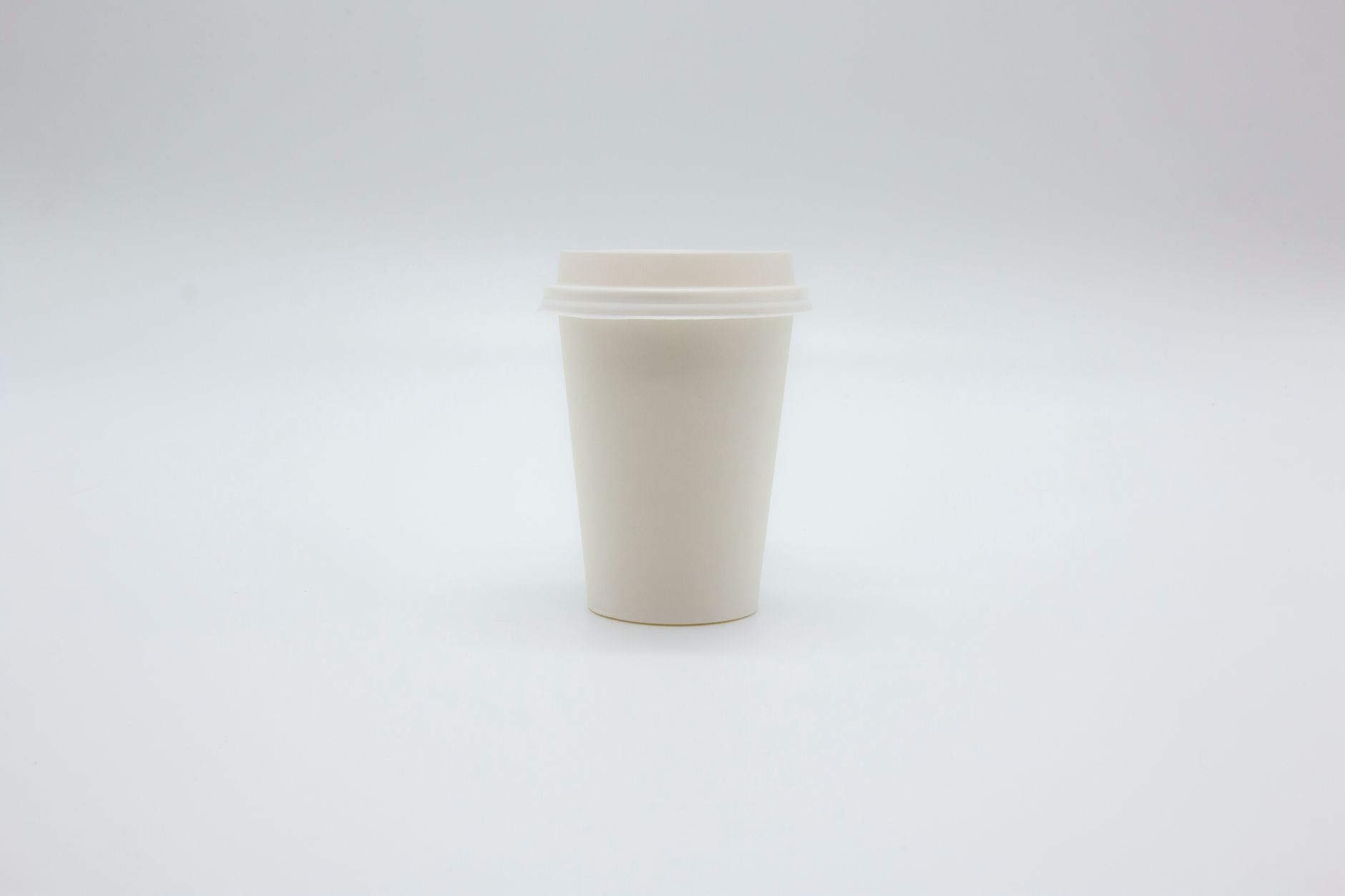
When it comes to branded drinkware, most conversations focus on the finished product — the sleek keep cup sitting on a café counter, the custom mug handed out at a trade show, or the paper cup bearing a company logo at a corporate event. But behind every successful branded cup order is a critical material decision that rarely gets the attention it deserves: the paper used to make the cup itself. Understanding paper for cups — what it is, how it works, and why it matters — can be the difference between a premium branded experience and a disappointing result that reflects poorly on your client’s brand. Whether you’re a reseller sourcing promotional drinkware, a marketing agency specifying event merchandise, or a business managing a branded merchandise programme, this guide will walk you through everything you need to know.
What Is Paper for Cups and Why Does It Matter?
Paper cups might appear simple, but the materials used to construct them are surprisingly specialised. Cup paper is a specific grade of paperboard engineered to handle hot or cold liquids without warping, leaking, or falling apart. It’s typically coated with a thin layer of polyethylene (PE) or, in more sustainable options, a plant-based or aqueous coating that acts as a moisture barrier.
The quality and composition of this paper directly affects several factors that matter enormously for branded drinkware:
- Print clarity and colour accuracy — Higher-grade cup paper has a smoother, more consistent surface that allows for sharper print results and more accurate PMS colour matching
- Structural integrity — Cheaper or incorrect paper grades can result in cups that collapse, leak, or deform when filled with hot beverages
- Food safety compliance — Paper used for cups intended to hold food or beverages must meet Australian food contact regulations
- Sustainability credentials — The type of coating and paper source affects whether a cup can be composted, recycled, or certified as sustainably sourced
For resellers and agencies sourcing branded drinkware at scale, understanding these distinctions helps you ask the right questions of your supplier — and set the right expectations with your clients.
The Key Types of Cup Paper Available in Australia
Not all paper for cups is the same, and the variety in the Australian market has expanded significantly in recent years as sustainability pressures have grown. Here’s a breakdown of the main types you’re likely to encounter when sourcing from Australian promotional product suppliers.
PE-Coated Cup Paper
Polyethylene-coated paperboard is the traditional and most widely used material for disposable paper cups in Australia. A thin layer of PE is applied to the inside of the cup to prevent liquid from penetrating the paperboard. For hot cups, a PE layer is often applied to the outside as well, providing additional insulation and structural support.
PE-coated cups are durable, cost-effective, and widely available. However, they present a recycling challenge — the plastic coating must be separated from the paper, which most Australian kerbside recycling systems can’t do efficiently. This is an important point to flag with clients who have sustainability objectives.
Aqueous and Water-Based Coated Cup Paper
A growing alternative to PE-coated paper, aqueous-coated cup paper uses a water-based barrier that is more environmentally friendly and, in many cases, recyclable or compostable in appropriate facilities. These cups are increasingly popular with Australian organisations in sectors like healthcare, education, and government, where environmental procurement standards apply.
The print surface of aqueous-coated cups can vary, so it’s worth requesting samples and print tests before committing to a large order.
PLA-Lined Cup Paper
Polylactic acid (PLA) is a bioplastic derived from renewable resources such as corn starch. PLA-lined cup paper is used in cups marketed as compostable, and these products are becoming more prominent across Australian events, hospitality venues, and corporate catering settings.
Keep in mind that PLA-lined cups require industrial composting conditions to break down — they won’t decompose in a home compost bin. It’s important to communicate this nuance clearly to clients so they can ensure proper disposal infrastructure is in place.
Double-Wall and Ripple Cup Paper
Double-wall cups use two layers of cup paper bonded together, with an air gap for insulation. Ripple cups achieve a similar effect by adding a corrugated outer sleeve made from a different paper grade. Both options reduce the need for a separate cardboard sleeve and are popular for branded hot drink cups at events and in corporate kitchens across Melbourne, Sydney, and Brisbane.
The outer surface of double-wall and ripple cups often provides an excellent print canvas, making them a favourite for high-visibility branded merchandise.
How Paper Quality Affects Branded Print Results
If you’re specifying custom branded cups for a client, the paper quality is arguably the single biggest variable affecting print quality. Here’s what to consider:
Surface Smoothness
The smoother the paper surface, the more detail a print can hold. Brands with fine typography, gradients, or intricate logos will reproduce far better on a premium, smooth-coated cup paper than on a rougher, economy-grade option.
Colour Vibrancy
Cup paper that has been well-manufactured and coated consistently will hold ink more uniformly, producing vibrant, consistent colour across the entire print run. Economy cup paper can result in patchy or inconsistent colour, particularly across large solid colour areas — a problem that becomes very obvious when cups are arranged side by side at a conference or event.
Artwork Preparation
When preparing artwork for cups, resellers and agencies should follow supplier guidelines closely. Most Australian suppliers require vector files (AI or EPS), with artwork set up to wrap correctly around the cup’s tapered shape. Curved surfaces can distort artwork if not correctly accounted for in the design template. For large runs, a pre-production proof and physical sample are highly recommended before approving final production.
Sustainability and Paper for Cups: What Australian Buyers Are Asking For
Sustainability is no longer a niche concern — it’s a mainstream procurement requirement across government departments, councils, universities, and many corporate clients. A Perth council running a community event, for example, or a Canberra government department hosting a staff conference, will often have specific requirements around compostable or recyclable materials.
When evaluating suppliers for branded cup programmes, it’s worth asking:
- What certifications does the cup paper carry? (Look for FSC or PEFC certification for responsible forestry, and ABA certification for compostability in Australia)
- Is the cup compatible with Australian composting or recycling infrastructure?
- Can the supplier provide documentation for tender or procurement processes?
This pairs well with a broader eco-friendly merchandise strategy — for example, complementing branded paper cups with branded reusable straws creates a cohesive sustainability message that resonates with environmentally conscious audiences.
Ordering Branded Paper Cups: Practical Considerations for Resellers
Understanding the material is one thing — navigating the ordering process is another. Here are the practical details resellers and businesses need to keep in mind.
Minimum Order Quantities
For custom-printed paper cups in Australia, MOQs typically start at 1,000 units for simpler single-colour print jobs, while full-colour or complex designs may require MOQs of 2,000 to 5,000 units depending on the supplier. Economy pricing usually kicks in at 5,000+ units, making paper cups a strong option for large corporate events, sporting associations, or school canteens.
Turnaround Times
Standard production turnaround for custom paper cups in Australia is typically two to four weeks from artwork approval. Rush options may be available from some suppliers, but these come at a premium and are not always possible for complex print jobs. Factor in additional time for freight, particularly for orders heading to regional areas or interstate.
Setup Fees and Print Costs
Most Australian suppliers charge a setup fee per colour or per print position. It’s worth building these costs clearly into client quotes, particularly for lower-volume orders where setup fees represent a higher proportion of total cost. At higher volumes, the per-unit cost reduces significantly, improving overall value.
Sampling
For any significant branded cup programme — particularly where a client has strict brand guidelines or is investing in premium materials — always request a physical sample before approving production. This lets you check print accuracy, paper quality, and structural integrity before committing to the full run.
Pairing Branded Cups with Complementary Merchandise
Paper cups rarely stand alone in a merchandise programme. For event organisers, corporate clients, or marketing agencies building a cohesive branded experience, paper cups work well alongside a range of complementary products.
A corporate event in Adelaide, for instance, might combine branded paper cups for on-the-day catering with custom keep cups as a take-home gift — providing both practical utility and lasting brand exposure. Seasonal campaigns can integrate thoughtful additions like branded tea for Christmas gifts, creating a complete gifting package that extends well beyond the cup itself.
For health and wellness campaigns, branded cups are a natural companion to custom fitness bands for healthcare providers — both functional, everyday items that keep a brand visible in the right context.
Conclusion: Key Takeaways on Paper for Cups
Choosing the right paper for cups is a decision that affects print quality, sustainability compliance, structural performance, and ultimately, how well a client’s brand is represented. For resellers, marketing agencies, and businesses sourcing branded drinkware in Australia, building a working knowledge of cup paper types and their implications is a genuine competitive advantage.
Here are the key points to carry forward:
- PE-coated, aqueous, and PLA-lined cup papers each have distinct performance and sustainability profiles — match the paper type to your client’s end-use requirements and disposal infrastructure
- Print quality is directly linked to paper surface quality — always request samples and proofs for branded programmes where colour accuracy matters
- MOQs for custom paper cups typically start at 1,000 units, with better per-unit pricing at 5,000 and above
- Sustainability certifications like FSC, PEFC, and ABA composting marks are increasingly required by government, education, and corporate clients in Australia
- Paper cups work best as part of a broader branded merchandise strategy — pairing them with complementary products creates a more memorable and cohesive brand experience