
Cooling Towel Promotional Products: The Ultimate Sourcing Guide for Australian Resellers
Discover how to source and sell branded cooling towels in Australia. Expert tips on suppliers, decoration, MOQs, and target markets for resellers.

Written by
Ava Singh
Awards & Recognition
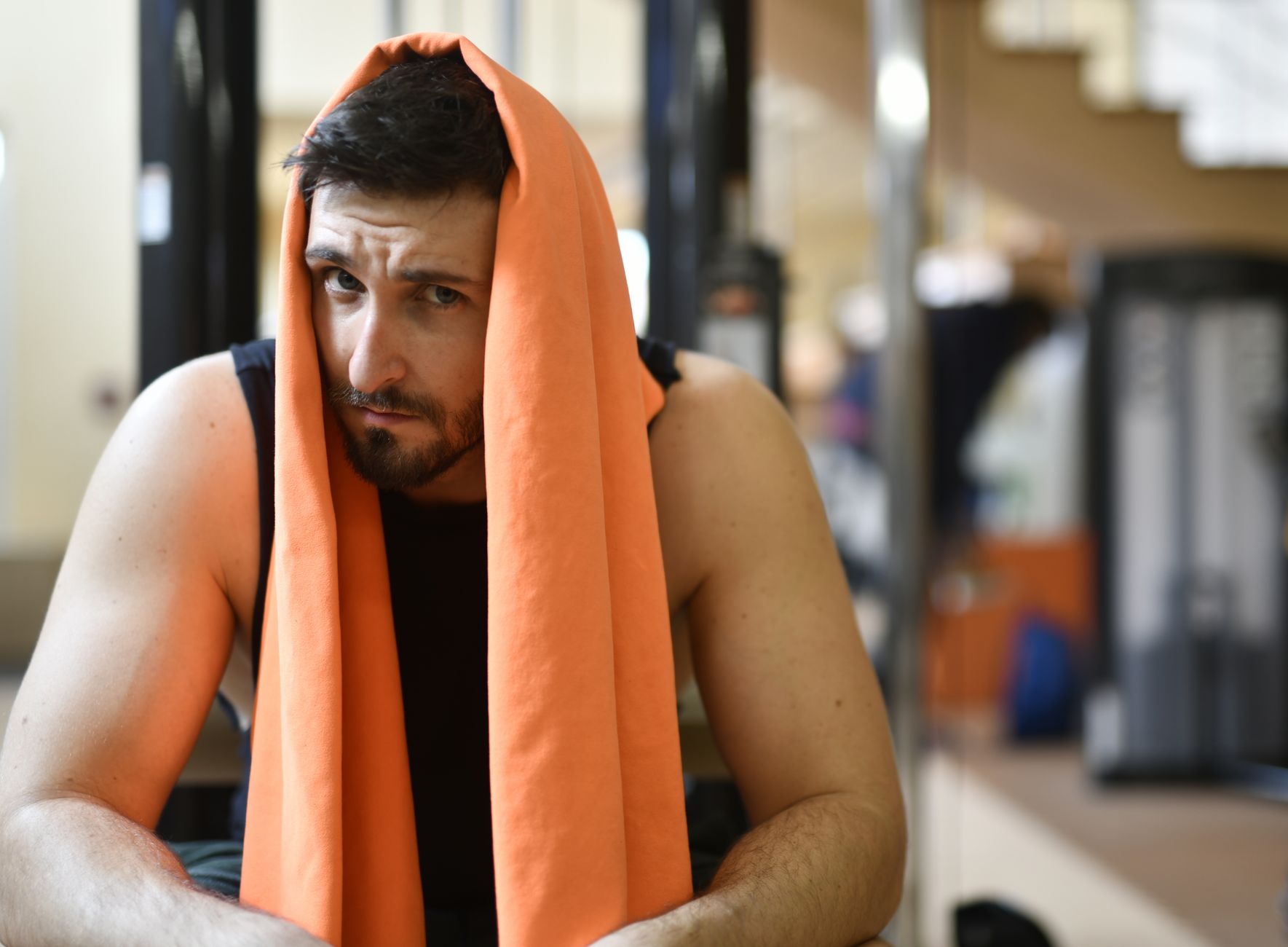
If you’re a reseller or marketing agency looking for a promotional product that genuinely delivers value to end users, the branded cooling towel deserves a serious spot in your catalogue. Unlike novelty giveaways that end up in a drawer, a cooling towel is a practical, highly visible item that people actually use — at the gym, on the sports field, at outdoor events, and on scorching summer days across Brisbane, Perth, Darwin, and beyond. With Australia’s climate making heat management a real daily concern for millions of people, this product category has seen consistent demand growth, and savvy resellers are capitalising on it. This guide walks you through everything you need to know about sourcing, decorating, and selling branded cooling towels in the Australian market.
What Is a Cooling Towel and Why Is It a Strong Promotional Product?
A cooling towel — sometimes called an instant cooling towel or sports cooling towel — is typically made from a specialised PVA (polyvinyl alcohol) or microfibre material that, when wet and snapped or waved in the air, activates an evaporative cooling effect. The towel can drop in surface temperature significantly, providing immediate relief in hot conditions. Most products stay cool for extended periods and can be re-activated simply by re-wetting.
From a promotional perspective, the cooling towel ticks several boxes that brand managers and event coordinators genuinely care about:
- High perceived value — These are products people will actually buy for themselves, so receiving one as a branded gift feels premium.
- Repeat exposure — A towel used at the gym three times a week means a logo seen by the user and bystanders repeatedly.
- Broad appeal — Suitable for fitness enthusiasts, tradies, outdoor workers, sporting clubs, school athletics days, and corporate wellness programmes.
- Packagability — Most cooling towels come with a mesh carry bag or tube packaging, making them easy to brand, bundle, and gift.
For resellers building product catalogues for clients in the health, fitness, outdoor, and events sectors, this is a product worth understanding deeply.
Understanding the Cooling Towel Product Landscape in Australia
Material Types and Their Suitability for Branding
Not all cooling towels are created equal, and as a reseller, understanding the material differences will help you match the right product to each client brief.
PVA cooling towels are the gold standard for cooling performance. They typically come in a harder, compressed state when dry and become pliable and highly effective when wet. The smooth surface is excellent for screen printing and pad printing, making logo application clean and vibrant. These are ideal for sports clubs, event organisers, and outdoor festivals.
Microfibre cooling towels offer a softer feel and are generally faster to dry. They’re often more comfortable against the skin and are popular in gym and fitness contexts. Sublimation printing works beautifully on microfibre, allowing full-colour, edge-to-edge designs — a major advantage for clients who want a visually striking branded product rather than a simple logo.
Hybrid towels combine elements of both materials and are often positioned at a mid-to-premium price point. These suit corporate wellness gifting and health sector clients in cities like Sydney and Melbourne, where budget expectations are higher.
Standard Sizes and Packaging Options
Cooling towels typically come in sizes ranging from 30cm x 100cm to 40cm x 120cm, with the larger format providing more branding real estate. Many are supplied in cylindrical plastic tubes or compact mesh pouches — both of which can also be branded, creating a two-surface branding opportunity that sophisticated clients will appreciate.
When sourcing for an event-focused client, consider whether they want towels pre-packaged individually or supplied in bulk for on-site distribution. Both scenarios affect your logistics and unit pricing.
Decoration Methods: Getting the Branding Right
The decoration method you choose has a significant impact on both the visual outcome and the cost per unit. Here’s a breakdown of what works best on cooling towels:
Screen Printing
Screen printing is well-suited to PVA cooling towels and is the most cost-effective option for spot colour logos at high volumes. Typical MOQs for screen-printed cooling towels start around 50–100 units, though many Australian wholesale suppliers offer tiered pricing that becomes very competitive above 250 units. Setup fees usually apply per colour, so clients with simple, one or two-colour logos will get the most value here.
Sublimation Printing
Sublimation is the preferred method for microfibre cooling towels and allows for photographic-quality, full-colour prints across the entire surface. There are no setup fees per colour (setup is typically a flat one-time fee), and the result is vibrant and durable. This method is particularly popular for sporting clubs, schools, and organisations that want their cooling towel to double as a visually striking merchandise item — not just a functional giveaway.
Pad Printing
Pad printing is less common for towels but occasionally used for smaller logo placements on packaged tubes or pouches. If your client wants branding across the packaging as well, pad printing on the container is worth exploring.
Target Markets: Who Is Buying Branded Cooling Towels?
Understanding who has genuine demand for this product will sharpen your sales conversations as a reseller. Here are the strongest markets:
Sporting Clubs and Associations
From AFL clubs in Melbourne to touch football associations in Cairns, sporting clubs are a natural fit. A cooling towel is both a practical team item and a merchandise revenue opportunity. Clubs running annual fundraisers, sign-on days, or end-of-season events will often bundle cooling towels with other apparel — which is worth cross-selling alongside something like a branded promo shirt for maximum campaign impact.
Outdoor Events and Music Festivals
Summer events across Gold Coast, Adelaide, and Perth face genuine heat challenges, and event organisers are increasingly looking at branded cooling towels as a practical attendee gift. Compared to the volume and competition in categories like lanyards or tote bags, cooling towels still feel differentiated — and event-goers are genuinely grateful to receive them.
Health, Fitness, and Wellness Organisations
Gyms, personal trainers, physiotherapy clinics, and corporate wellness programmes are another strong vertical. A beautifully branded cooling towel tucked into a wellness pack alongside a branded water bottle is a smart upsell for any account in this space.
Schools and Education
Primary and secondary schools running sports carnivals, athletics days, or outdoor education programmes in hotter states like Queensland, Western Australia, and the Northern Territory have a clear use case. Sublimated cooling towels with school colours and crests make for a memorable and practical item that parents and students genuinely keep.
Golf Clubs and Recreation Organisations
Golf is one of the more heat-exposed sports, and cooling towels slot naturally into the golfer’s kit bag alongside accessories like personalised golf balls — making them an easy cross-sell for any client in the golf or outdoor recreation space.
Corporate and Government
Corporate wellness has grown considerably as an employer priority. A branded cooling towel in a staff wellbeing pack, distributed at a team-building day in Darwin or Canberra, is a thoughtful and memorable touch. Government departments and councils running community outdoor events also represent a consistent procurement channel.
Sourcing Tips for Resellers: What to Look for in a Supplier
Not all suppliers in the promotional products space carry cooling towels as a stocked item year-round — some treat it as a seasonal product and run low on inventory heading into summer. Here’s what to keep in mind when evaluating suppliers:
Stock Levels and Lead Times
Always confirm whether the supplier holds local stock in Australia (typically in Sydney or Melbourne warehouses) or whether goods are sourced on order from overseas. Local stock can mean turnarounds as fast as five to seven business days for undecorated bulk orders or seven to fourteen business days for decorated product. Offshore-only sourcing can push turnaround to four to six weeks, which is a critical consideration for time-sensitive event briefs.
Sample Availability
Reputable suppliers will offer pre-production samples or pre-existing product samples. Always request a sample before committing to a large run for a new client. Cooling performance can vary significantly between products, and your credibility as a reseller depends on recommending products that actually work as advertised.
MOQ Flexibility
MOQs for cooling towels in the Australian market typically sit between 50 and 150 units depending on decoration method and supplier. If you have smaller clients — say, a local gym ordering 50 branded towels — confirm your supplier can accommodate this without excessive setup fees eating into the margin.
Artwork and Colour Matching
For clients with strict brand standards, confirm whether the supplier can offer PMS colour matching (most screen printers and quality pad printers can). Sublimation printing does not use PMS colours as it is a CMYK-based process, so set expectations appropriately with clients who have very specific colour requirements.
Pricing and Margin Considerations
Wholesale pricing for cooling towels in Australia generally ranges from approximately $4.00 to $14.00 per unit at volume, depending on material quality, size, and decoration method. PVA towels with simple screen printing at 250+ units will sit toward the lower end. Premium microfibre sublimated towels with branded packaging will push toward the higher end.
Typical reseller margins in the promotional products category range from 30% to 60%, depending on the client relationship, order volume, and value-add services you provide (such as artwork design assistance or fulfilment). For clients ordering 500+ units, you have strong room to negotiate with suppliers while still maintaining healthy margins.
Conclusion: Key Takeaways for Resellers
The cooling towel is one of those promotional products that sits at the intersection of practicality, broad appeal, and genuine branding potential — which makes it a smart addition to any reseller’s active product range. Whether you’re pitching to a Gold Coast events company, a Melbourne corporate wellness team, or a Brisbane primary school, there’s a version of this product that fits almost every brief.
Here are the key points to take away:
- Choose the right material for the brief — PVA towels offer superior cooling performance and suit screen printing; microfibre suits sublimation and a softer, gym-friendly feel.
- Sublimation unlocks full-colour branding — If your client wants a visually striking result, microfibre + sublimation is the strongest combination.
- Know your lead times before you sell — Always confirm whether your supplier holds Australian stock, and factor decoration time into your timeline when quoting clients.
- Target the right verticals — Sporting clubs, fitness organisations, outdoor events, and schools are your warmest markets in Australia.
- Cross-sell strategically — Cooling towels pair naturally with other sports and outdoor merchandise, creating upsell opportunities that increase order values without adding complexity.
Get familiar with a reliable supplier who carries cooling towels year-round, and you’ll find this product becomes a consistent earner in your promotional product business.