
Car Stickers as Promotional Products: The Complete Australian Supplier Guide
Discover how car stickers can power your next promotional campaign. A practical guide for Australian businesses, resellers, and marketing agencies.

Written by
Isla Martinez
Eco & Sustainable Products
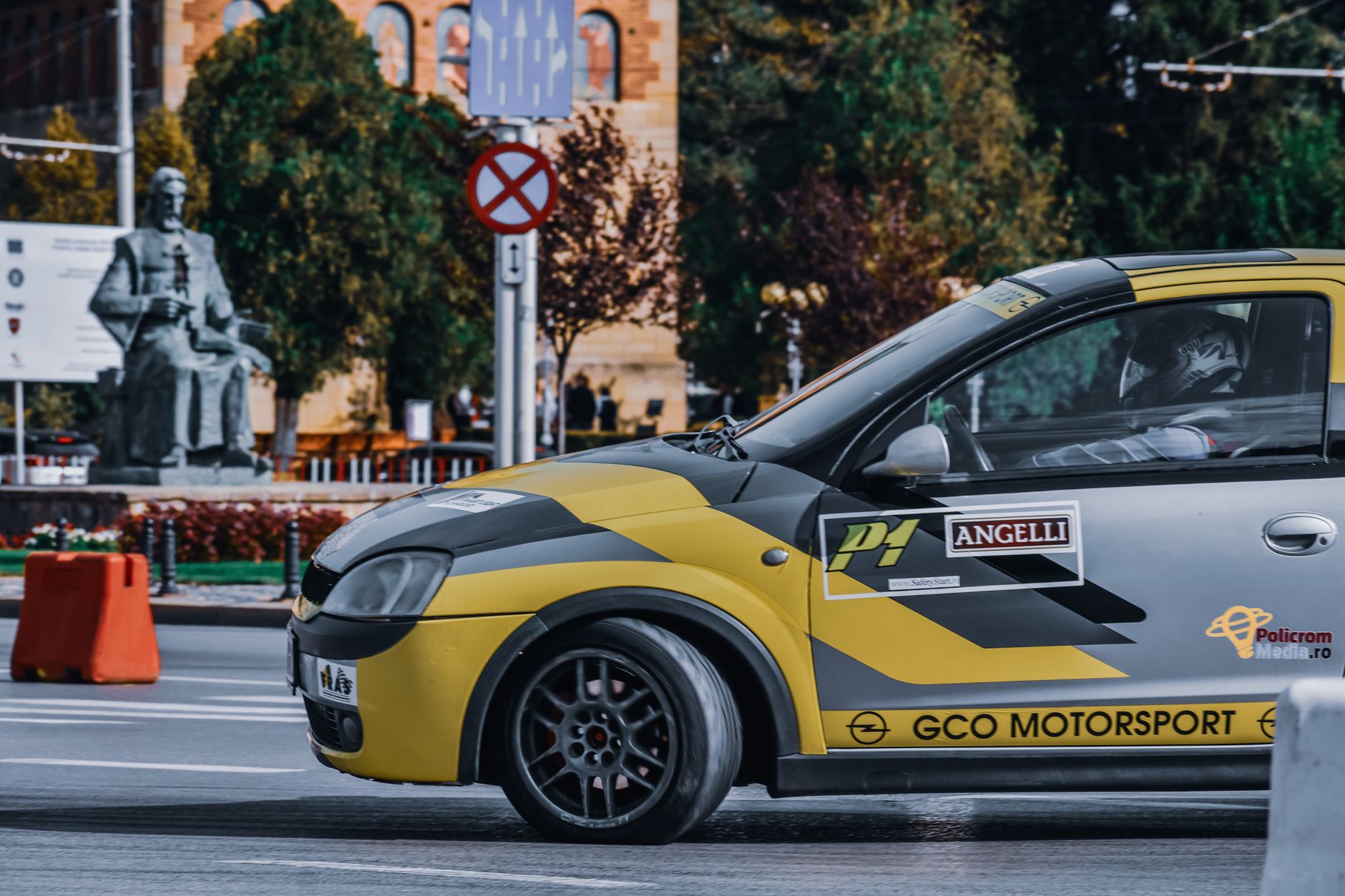
Every great promotional campaign has one thing in common: it puts a brand in front of as many eyes as possible, as often as possible. That’s exactly why the humble car sticker continues to earn its place in the promotional products toolkit — and why savvy marketers, resellers, and business owners across Australia keep coming back to it. From a Perth tradie slapping a business logo across a fleet of utes to a Brisbane nonprofit handing out cause-branded bumper stickers at community events, car stickers offer extraordinary reach at a fraction of the cost of digital advertising. This guide walks you through everything you need to know about sourcing, specifying, and selling car stickers as part of a broader branded merchandise strategy.
Why Car Stickers Remain a Powerhouse Promotional Product
It’s easy to overlook stickers as “simple” or “low-tech” — but that’s precisely what makes them so effective. A well-placed car sticker is a moving billboard. It’s seen at traffic lights in Melbourne, in shopping centre car parks in Adelaide, and on the highways connecting Sydney to Canberra. Unlike a social media post that disappears in 24 hours, a quality car sticker can remain on a vehicle for years.
For promotional products resellers, car stickers represent a reliable, high-margin product with genuinely broad appeal. They suit almost every client category — trade businesses, sports clubs, real estate agencies, universities, councils, and corporate fleets. And because they’re lightweight and inexpensive to ship, they’re practical to include in larger merchandise bundles alongside products like personalised tote bags or promotional cooler bags.
The Economics of Car Stickers
Car stickers punch well above their weight when it comes to cost-per-impression. Consider this: a fleet of 20 work vehicles, each with a branded sticker on the rear window or bumper, driving around metropolitan Sydney five days a week. The daily brand exposures run into the thousands — all from a product that might cost a few dollars per unit at volume.
For resellers presenting proposals to clients, this is a compelling story. Compare it to a single digital ad spend, and the value becomes even clearer. When you’re building out a campaign proposal, car stickers pair naturally with other high-visibility items like promo shirts or polo shirts for women for a unified brand presence at events.
Types of Car Stickers: What to Know Before You Source
Not all car stickers are created equal. Understanding the different formats is essential — whether you’re advising a client or placing an order with a supplier. Here’s a breakdown of the main product types you’ll encounter.
Bumper Stickers
The classic format. Typically rectangular, printed on durable vinyl with a strong adhesive backing. Bumper stickers are designed for exterior application — they need to withstand UV exposure, rain, road grime, and temperature fluctuations. Quality matters enormously here. Cheap materials will fade, peel, and curl, which reflects poorly on the brand they’re supposed to promote.
Static Cling Stickers
These adhere to glass surfaces without any adhesive — they use static electricity to stay in place. The major advantage is that they’re fully removable and repositionable without leaving residue. This makes them a favourite for real estate agencies (think “Just Listed” stickers on car windows), event organisers, and retailers running temporary campaigns.
Die-Cut Stickers
Die-cut stickers are cut to a custom shape rather than a standard rectangle or square. This allows for logo-shaped, character-shaped, or any custom profile the designer can imagine. They’re popular with lifestyle brands, schools, and sporting clubs who want something with more visual impact. The added setup cost for die-cutting is usually minimal at volume, and the perceived quality difference is significant.
Window Decals and Perforated Vinyl
For larger applications — rear windows on utes, vans, and buses — perforated vinyl allows a full-bleed printed image to be applied to glass while still allowing the driver to see through it. These are more commonly seen on commercial vehicles and require professional installation. If a client runs a fleet, this is a premium upsell worth exploring.
Floor and Interior Stickers
Beyond cars themselves, this product category has expanded to include floor graphics for showrooms, workshops, and retail spaces. While not strictly a “car sticker,” they’re often supplied by the same vendors and serve many of the same automotive-adjacent clients.
Decoration Methods and Artwork Considerations
The quality of a car sticker lives or dies on its print quality and material specification. Here’s what to look for when evaluating suppliers and briefing print files.
Digital Printing vs. Screen Printing
Most car stickers today are produced via digital printing — specifically UV-resistant inkjet or solvent-based print processes on vinyl stock. This allows for full-colour artwork with photographic detail, short runs, and fast turnaround times. Screen printing is less common for stickers but may be used for large runs of simple, one or two-colour designs where colour accuracy (such as PMS matching) is critical.
Lamination and UV Coating
This is non-negotiable for exterior applications. A gloss or matte laminate protects the print from UV fade, abrasion, and moisture. Without lamination, even the best print will degrade quickly when exposed to Australian sun. Always specify laminated vinyl for any sticker intended for outdoor or vehicle use.
Artwork Specifications
Advise clients to supply artwork at a minimum of 300 DPI at final print size, in vector format (AI, EPS, or PDF with outlined fonts). Sticker printing is unforgiving of low-resolution files — the results will look blurry or pixelated, and the client will be unhappy. Most reputable suppliers will flag artwork issues during the proof approval stage, but setting expectations upfront saves time and avoids delays.
Ordering Car Stickers: MOQs, Turnarounds, and Budgets
One of the biggest advantages of car stickers as a product category is the accessibility of minimum order quantities. Many suppliers in Australia offer runs starting from as few as 50–100 units, making them viable even for small businesses and local clubs. For marketing agencies managing clients with modest budgets, this low barrier to entry is a significant selling point.
Typical MOQs: 50–500 units depending on product type and supplier Turnaround times: 5–15 business days from proof approval for standard orders; express options available from some suppliers Pricing range: At volume (500+ units), expect to pay anywhere from $0.50 to $3.00 per sticker depending on size, finish, and complexity
For urgent campaigns — say, a Gold Coast event with a two-week lead time — always confirm production and delivery timelines upfront. Rush fees are common, and it’s better to manage expectations than to promise what can’t be delivered.
Building a Broader Merchandise Bundle with Car Stickers
Experienced resellers know that car stickers rarely sell in isolation. They’re most effective as part of a coordinated merchandise package. Consider how you might position them alongside complementary products depending on the client type.
For corporate and fleet clients, pair car stickers with logo water bottles, personalised drink bottles, and power banks for a polished staff welcome pack. For outdoor and trade businesses, they work well alongside polar fleece men’s jackets and personalised bucket hats. For event and conference clients, consider bundling car stickers with USB drives, mouse pad mats, and an office work calendar to create a memorable delegate pack.
For clients in lifestyle sectors — sporting clubs, community groups, or consumer brands — stickers naturally complement fun items like terry towelling bucket hats, reusable green shopping bags, and small cooler bags. Even niche lifestyle products like personalised dog bowls or personalised coasters can round out a theme-driven campaign bundle.
And don’t forget the power of a magnet for refrigerators alongside a car sticker — both are adhesive-style brand touchpoints that keep a client’s name visible in everyday spaces.
Finding the Right Car Sticker Supplier in Australia
When evaluating suppliers for car sticker orders, there are several criteria worth assessing carefully.
Material quality: Ask for physical samples before committing to a large run. Check the vinyl weight, adhesive strength, and laminate finish. A good supplier will offer samples readily.
Print capabilities: Confirm whether they print digitally or via screen, and whether they can match PMS colours if your client has strict brand standards.
Artwork support: Some suppliers offer basic artwork setup or file checks at no charge. This is particularly useful for resellers who receive client-supplied artwork that may need minor adjustments.
Turnaround consistency: Look for suppliers with a track record of meeting deadlines. Late deliveries can damage client relationships and your reputation as a reseller.
Sustainability options: Increasingly, clients are asking about eco-friendly materials. Look for suppliers offering recycled vinyl or water-based adhesives as an alternative to standard PVC products.
Conclusion: Key Takeaways for Sourcing Car Stickers in Australia
The car sticker is one of the most versatile, cost-effective, and consistently in-demand products in the Australian promotional merchandise market. For resellers and marketing agencies, mastering this category means understanding the product types, print specifications, and how to position stickers within larger campaign proposals.
Here are the key points to remember:
- Product type matters: Match the sticker format — bumper, static cling, die-cut, or window decal — to the client’s application and duration of use
- Specify laminated vinyl for all exterior applications to ensure longevity under Australian UV conditions
- Artwork quality is critical: Always request 300 DPI vector files and review the proof carefully before approving production
- Low MOQs make car stickers accessible to small and large clients alike, with pricing that scales significantly at volume
- Bundle strategically: Car stickers are most powerful as part of a cohesive merchandise package — pair them with complementary products to increase order value and campaign impact
- Vet suppliers thoroughly: Request samples, confirm turnaround commitments, and check whether eco-friendly material options are available
Whether you’re building a campaign for a Hobart small business or a Darwin government department, the right car sticker programme — sourced from a quality supplier — can deliver impressive brand reach at a price point that makes sense for almost any budget.