
Branded Duffel Bags for Retail Stores in Australia: The Complete Sourcing Guide
Discover how Australian retail stores can source branded duffel bags that boost visibility, reward customers, and drive repeat business.

Written by
Oscar Tanaka
Bags & Totes
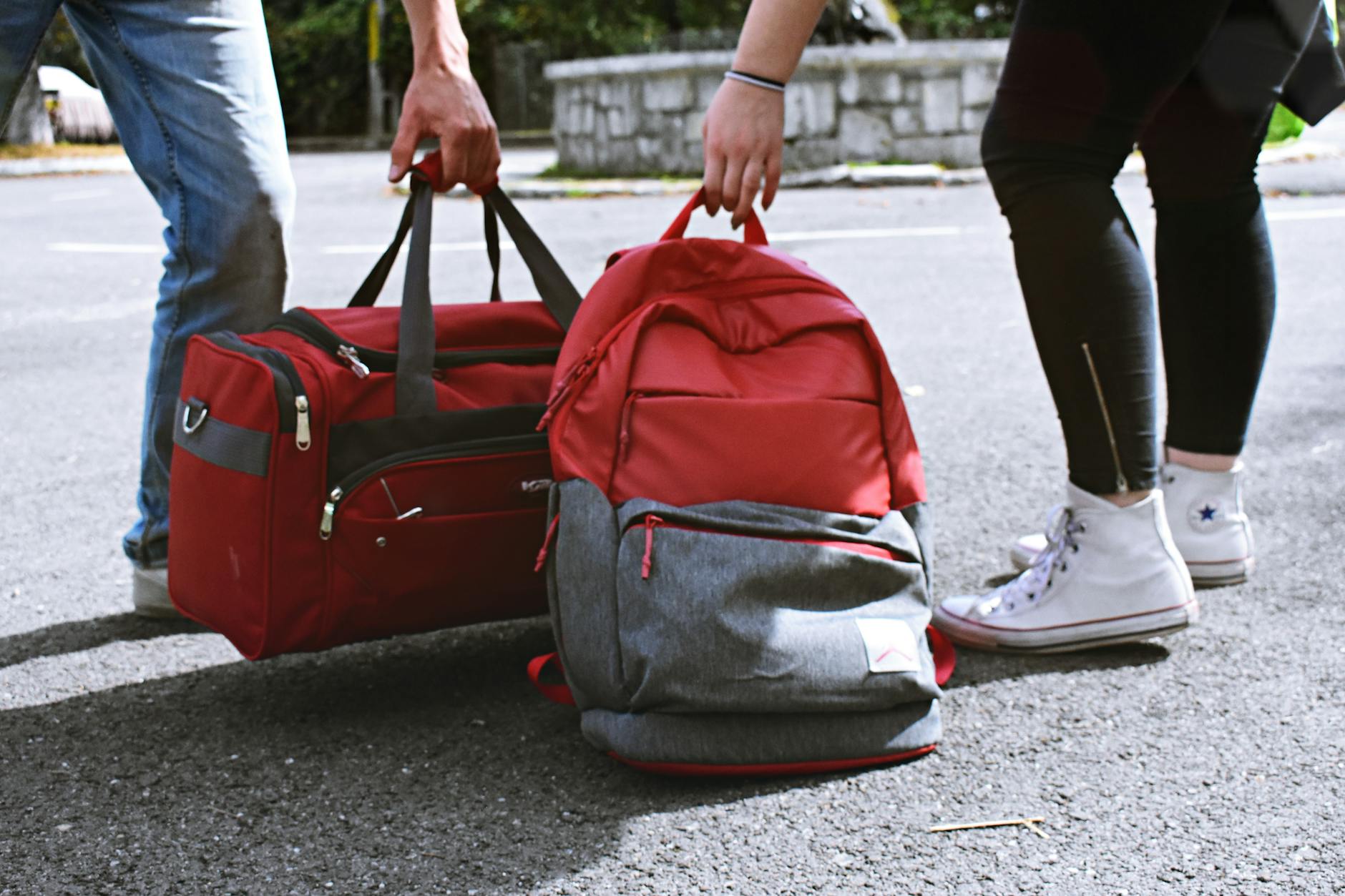
Retail brands live and die by their visibility. Every touchpoint — from the in-store experience to what customers carry out the door — is an opportunity to reinforce your brand identity. Branded duffel bags for retail stores in Australia have emerged as one of the most practical and high-impact merchandising tools available, whether you’re running a boutique surf shop in Byron Bay, a national sporting goods chain, or a fitness apparel label with locations across Melbourne and Brisbane. These bags travel. They’re used at the gym, on weekend trips, at sports training, and through airports — and every use is a free impression for your brand. This guide is designed specifically for resellers, marketing agencies, and retail businesses that want to make smart, informed decisions when sourcing custom duffel bags at scale.
Why Branded Duffel Bags Make Sense for Australian Retail Stores
The logic behind stocking branded duffel bags is straightforward: they’re functional, desirable, and they extend your brand reach far beyond the four walls of your store. Unlike a plastic carry bag that gets thrown away, a quality duffel bag gets used repeatedly — typically for years. That longevity translates directly into ongoing brand exposure at no additional cost per impression.
Australian retail stores are particularly well-positioned to benefit from this strategy. The lifestyle culture across cities like Sydney, Perth, and the Gold Coast places a premium on activewear, travel, and outdoor recreation. A well-designed duffel bag aligns perfectly with these values and naturally fits the lifestyle of your customers.
The Marketing Value of a Well-Placed Bag
When a customer walks out of your store with a branded duffel bag, they become a walking advertisement. Consider the typical lifecycle of a sports or travel duffel bag:
- Used weekly at the gym or training sessions
- Taken on weekend getaways and domestic flights
- Seen at school drop-offs, team sports, and recreation centres
- Photographed and shared on social media when styled effectively
Each of these touchpoints represents brand exposure that simply cannot be purchased through digital advertising at the same cost-per-impression ratio. For retail stores investing in promotional merchandise for brand awareness, branded bags offer exceptional return on investment.
Understanding the Australian Market for Custom Duffel Bags
Before jumping into an order, it’s important to understand the landscape. The Australian promotional products market has matured considerably, and retail buyers — whether they’re sourcing for a single flagship store or a national rollout — have more options than ever. That said, quality, lead times, and decoration capability vary enormously between suppliers.
Product Quality Tiers
Custom duffel bags generally fall into three quality tiers:
Entry-level (budget range): Typically made from 210D or 300D polyester. Suitable for giveaways, events, or short-term promotional use. Lower price point allows for higher volume orders.
Mid-range: Often constructed from 600D polyester, canvas, or nylon. These bags have better stitching, more functional pockets, and are appropriate for retail sale or higher-value customer incentives.
Premium: Full-grain leather accents, waterproof fabrics, padded compartments, and designer-grade construction. Ideal for luxury corporate gifting or high-end retail brand extensions. If you’re operating premium stores on the Gold Coast or in Melbourne’s CBD, this tier aligns with brand expectations.
Minimum Order Quantities (MOQs)
For most Australian suppliers, the MOQ for branded duffel bags sits between 50 and 200 units depending on the decoration method and product complexity. Screen printing typically has lower setup costs, while embroidery — which gives a premium finish — may require higher minimums due to digitising fees.
If you’re a reseller managing multiple retail clients, understanding MOQs upfront allows you to structure orders strategically, potentially combining smaller client orders to reach volume pricing tiers.
Decoration Methods for Branded Duffel Bags
Choosing the right decoration method is critical — it affects both the visual outcome and the cost structure of your order. Here’s a breakdown of the most common approaches used in Australia.
Screen Printing
Screen printing is the most cost-effective method for large, bold logo applications on polyester and canvas bags. It works particularly well for retail stores with strong, graphic-based branding. Colours are vivid, and the process is efficient at scale. For stores ordering 200+ units, screen printing is almost always the most economical choice.
Embroidery
Embroidery adds a premium, tactile quality to any bag. It’s the preferred method for brands that want a sophisticated, long-lasting finish — particularly on canvas or heavy-duty polyester. The raised thread texture gives bags a retail-quality look that resonates with customers. The trade-off is cost: embroidery has a digitising fee (typically $50–$150 as a one-off) and slightly higher per-unit costs. For more on how these decoration methods compare across different product types, explore our guide to recycled branded merchandise in Australia.
Heat Transfer and Sublimation
Full-colour artwork, photographic designs, or all-over prints require sublimation or heat transfer. These methods are ideal if your retail brand uses complex, multi-colour patterns or wants a fashion-forward aesthetic on their bags. Sublimation works best on polyester fabrics, making it a natural fit for activewear-adjacent retail brands.
Debossing and Patch Labels
For leather-accented or premium duffel bags, debossed patches and woven labels are popular finishing options. These communicate craftsmanship and exclusivity — particularly appropriate if your retail store sits in the premium corporate gifts category.
Branded Duffel Bags for Retail Stores in Australia: Key Use Cases
Understanding how retail stores actually deploy branded duffel bags helps inform better sourcing decisions. Here are the most common applications.
In-Store Retail Product (For Sale)
Many lifestyle, surf, and fitness retailers stock their own branded bags as a direct revenue line. The bag itself becomes a product. In this case, quality is paramount — it needs to compete on the shelf against unbranded alternatives. Retail margins typically require a cost price that allows for a 2x–3x markup, so understanding landed costs (product + decoration + freight) is essential.
Customer Purchase Incentives
“Spend $X, receive a free branded bag” is a proven retail strategy that increases average transaction value. This approach works especially well around key retail periods — pre-Christmas, end of financial year sales, or back-to-school campaigns. A Brisbane sporting goods retailer, for example, might offer a branded duffel bag with any purchase over $150 during the August–September school sports season.
VIP and Loyalty Rewards
Reward your most loyal customers with a quality branded bag. This is a particularly effective tactic for boutique retailers or store-based loyalty programs. Paired with other merchandise like promotional keyrings or branded drinkware, a duffel bag can anchor a compelling loyalty tier reward pack.
Staff Uniforms and In-Store Use
Retail staff carrying branded duffel bags as part of their daily kit reinforces brand professionalism. This works particularly well in activewear, outdoor retail, or health-focused retail environments. Check out our overview of branded apparel and merch for complementary uniform products that pair well with bags.
Event and Pop-Up Activations
Retail brands operating at markets, expos, or pop-up events often use branded bags as a centrepiece giveaway. A sustainable fashion label running a pop-up in Fitzroy might hand out branded canvas duffels to the first 100 customers — generating social media buzz and lasting brand visibility. This strategy pairs nicely with thinking through your virtual event merchandise trends to understand how branded products translate across both physical and digital environments.
Choosing the Right Supplier: What Resellers and Agencies Need to Know
For resellers and marketing agencies managing retail clients, supplier selection is one of the most consequential decisions in the process. Here’s what to evaluate.
Production Lead Times
Standard turnaround for branded duffel bags in Australia is typically 10–20 business days from artwork approval. Rush orders (5–8 days) are possible but incur premium costs and may limit colour options. If your retail client has a hard launch date — say, a new store opening in Adelaide or Darwin — build in buffer time and confirm lead times in writing before placing an order.
Artwork and Colour Matching
Most reputable suppliers require vector artwork files (AI, EPS, or high-resolution PDF). Retail brands with strict brand guidelines will often require PMS colour matching — ensure your supplier can accommodate this, particularly for screen printing. Poor colour matching can undermine the entire branding exercise.
Sampling Options
Before committing to a large retail order, always request a pre-production sample. This allows your client to assess bag quality, decoration placement, and colour accuracy. Some suppliers charge for samples (typically $30–$80), while others offer free samples for genuine bulk enquiries. It’s a small investment compared to the risk of receiving 500 bags that miss the mark.
Eco-Friendly Options
Sustainability is increasingly non-negotiable for Australian retailers, particularly those marketing to environmentally conscious consumers. Look for suppliers offering bags made from recycled PET, organic cotton, or jute. Our detailed resource on recycled branded merchandise in Australia covers this area thoroughly and is worth reviewing before specifying materials for your client’s order.
Budgeting for Your Branded Duffel Bag Order
Getting the budget right requires understanding the full cost picture. Here’s a simplified breakdown for planning purposes:
| Order Size | Estimated Unit Cost (Mid-Range Polyester) | Decoration (Screen Print) |
|---|---|---|
| 50 units | $18–$28 per bag | +$3–$5 per bag |
| 100 units | $14–$22 per bag | +$2–$3 per bag |
| 250 units | $10–$18 per bag | +$1.50–$2 per bag |
| 500+ units | $8–$14 per bag | +$1–$1.50 per bag |
Freight, GST, and setup fees (typically $50–$180 per colour/location) will add to these figures. For premium bags with embroidery, expect unit costs to be 30–50% higher across the board.
Conclusion: Getting Branded Duffel Bags Right for Retail Success
Branded duffel bags for retail stores in Australia represent a genuinely powerful intersection of practical utility and brand marketing. When sourced thoughtfully — with the right materials, decoration method, supplier, and budget structure — they deliver an ongoing return on investment that few other promotional products can match.
Whether you’re a reseller building out a client’s merchandise program, a marketing agency developing an in-store campaign, or a retail business looking to strengthen its brand presence, the following takeaways will help guide your decisions:
- Match the quality tier to the application — giveaway bags and retail-for-sale bags have very different quality and cost requirements
- Allow adequate lead time — 15+ business days from artwork approval is a realistic benchmark for quality orders
- Prioritise decoration method alignment — embroidery for premium, screen printing for volume, sublimation for full-colour graphic brands
- Request samples before bulk orders — especially critical for retail clients with strict brand standards
- Consider sustainability — eco-friendly bag options increasingly matter to Australian retail consumers and can become a positive brand story in themselves
- Think holistically — branded bags work best as part of a broader merchandise strategy that might also include complementary items like branded winter promotional products or promotional drinkware
Getting this right isn’t just about putting a logo on a bag — it’s about creating a piece of merchandise your customers genuinely want to use, that your brand can be proud of, and that delivers measurable value long after it leaves the store.