
How to Source Branded Clothing for Cheap Without Sacrificing Quality
Discover how Australian businesses and resellers can source branded clothing for cheap while maintaining quality, style, and brand integrity.

Written by
Kai Williams
Custom Apparel
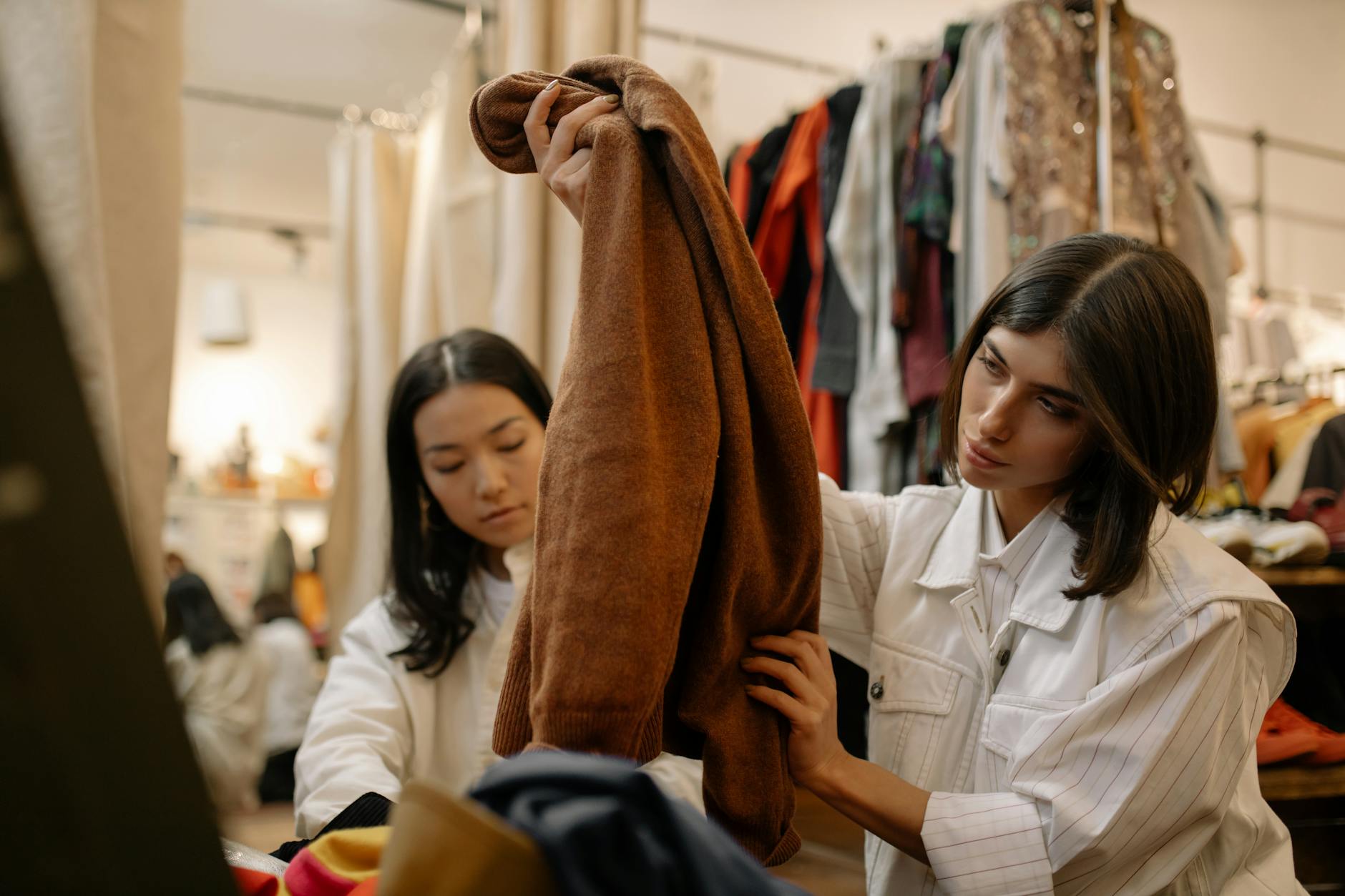
Getting your brand on quality clothing doesn’t have to cost a fortune — but knowing where to cut costs without cutting corners is an art form in itself. Whether you’re a marketing agency sourcing staff uniforms for a new client, a reseller building out your product catalogue, or a small business looking to stretch your promotional budget, the quest for branded clothing for cheap is one that nearly every organisation faces at some point. The good news? With the right knowledge about suppliers, decoration methods, order volumes, and product selection, you can achieve genuinely impressive results without blowing the budget.
Why Branded Clothing Remains One of the Best-Value Promotional Tools
Before diving into the how, it’s worth understanding the why. Branded apparel consistently ranks among the highest-performing promotional products in terms of cost-per-impression. When someone wears a shirt, hoodie, or cap with your logo around Sydney’s CBD or at a Brisbane trade show, they become a walking billboard — and that exposure compounds over time.
Unlike a one-use flyer or a banner that gets thrown away after an event, clothing gets worn repeatedly. A well-chosen t-shirt or polo with quality decoration can deliver hundreds of brand impressions over its lifespan. Compared to promotional drinkware and other branded items, apparel arguably offers the widest reach because it travels wherever the wearer goes.
For resellers and agencies managing multiple client campaigns, understanding the economics of branded apparel at scale is especially important. The lower your unit cost, the healthier your margin — and the more competitive your quotes become in a crowded market.
Understanding What Drives the Cost of Branded Clothing
To source branded clothing for cheap effectively, you first need to understand what drives pricing. There are several key cost levers:
Blank Garment Selection
The blank garment itself is often the single largest cost component. Premium brands carry a significant price premium. However, many mid-tier and house-brand garments available through Australian wholesale suppliers offer comparable fabric weights, construction quality, and fit — at a fraction of the price. If your client isn’t attached to a specific brand name inside the collar, opting for a quality unbranded blank can dramatically reduce your cost per unit.
Common garment categories and their typical wholesale price ranges in 2026:
- Basic cotton t-shirts: From around $4–$8 per unit at volume
- Polo shirts: Typically $10–$20 at wholesale
- Hoodies and fleece: Generally $15–$35 depending on weight and style
- Caps and trucker hats: Often $4–$12 at bulk quantities
Decoration Method
Your choice of decoration method has a major impact on pricing. Screen printing is generally the most cost-effective option for large runs with simple, single-colour designs. The setup cost is fixed, so the more units you print, the lower your unit decoration cost becomes.
Embroidery tends to be priced per-stitch, making it more expensive for large or detailed logos but excellent for small, sharp chest or cap logos. Sublimation printing allows for full-colour all-over designs and works best on polyester fabrics — it’s popular for sports jerseys and performance wear.
Heat transfer and digital printing (DTG) offer flexibility for small runs but typically cost more per unit than screen printing at scale.
Minimum Order Quantities (MOQs)
This is where many buyers get tripped up. Most decorators and suppliers set MOQs to keep their production economics viable. For screen printing, MOQs commonly start at 20–50 units per design, but pricing drops considerably as you move into the 100, 250, and 500+ unit tiers. Ordering 50 shirts might cost you $18 each; ordering 300 of the same shirt could bring that down to $10–$12.
For resellers, consolidating multiple client orders where possible — or ordering slightly above MOQ thresholds — can unlock meaningful savings.
Practical Strategies for Sourcing Branded Clothing for Cheap
Now for the actionable stuff. Here’s how experienced buyers and resellers approach cost-effective branded apparel sourcing in Australia.
Choose the Right Decoration Method for Your Volume
Don’t over-engineer the decoration. A single-colour chest print via screen printing on a cotton tee is one of the cheapest and most effective options available. Save embroidery for premium corporate uniforms where that textured, professional look is genuinely valued — such as branded workwear for trade industries or corporate polos.
For low-volume orders (under 20 units), consider heat transfer or DTG. These methods don’t carry screen setup fees, making them economical for small runs even though the per-unit cost is higher.
Simplify Your Artwork
Complex, multi-colour designs require more screens, more passes through the press, and more time — all of which cost money. If budget is a priority, streamline your logo to one or two colours. Most strong brand marks translate beautifully to a clean, single-colour application on a quality blank. This alone can reduce decoration costs by 30–50% compared to a four-colour print.
Order in Bulk and Plan Ahead
Rushed orders are expensive orders. Suppliers typically charge express turnaround premiums that can add 20–40% to your total cost. Ordering well in advance — typically 3–4 weeks for standard production runs in Australia — not only avoids rush fees but gives you time to review artwork proofs carefully.
Bulk ordering is the single most powerful lever for reducing cost per unit. If you know a client will need merchandise for multiple events across the year, encourage them to consolidate into one larger order upfront rather than placing several small orders throughout the year. You’ll also want to check out winter promotional product planning strategies for seasonal apparel campaigns.
Use Standard Colours and Stock Garments
Custom-dyed garments, unusual colourways, and special fabric compositions all carry cost premiums. Sticking to standard stocked colours — black, white, navy, grey, and red are almost universally available — keeps lead times short and pricing competitive. Asking your supplier about their fastest-moving blanks is a quick way to identify the most cost-efficient starting point.
Request Volume Pricing Tiers Upfront
When approaching suppliers, always ask for a full price matrix across multiple quantity tiers rather than just quoting for your immediate need. This allows you to make a more informed decision and may prompt you to order a slightly larger quantity to hit a better price break. A difference of 50 units can sometimes save hundreds of dollars across an order.
Garment Categories Worth Considering for Budget Campaigns
Not all branded clothing is created equal in terms of cost-effectiveness. Here are some categories that consistently deliver strong value:
Custom T-Shirts
The humble t-shirt remains the workhorse of branded apparel. Lightweight 180–200gsm cotton tees are universally available, easy to decorate, and affordable at volume. For school events, charity fun runs, and community campaigns across Melbourne, Adelaide, and Perth, they’re the go-to choice. A Brisbane primary school running a sports day or a Gold Coast charity walk can typically get quality branded tees for under $10 per unit at reasonable volumes.
Caps and Truckers
Headwear offers outstanding value for brand visibility. Custom trucker hats and caps are compact, easy to ship, and widely popular across construction, outdoor, and lifestyle brands. With low per-unit decoration costs (especially for embroidered caps), they’re a cost-effective addition to any merch bundle.
Tote Bags
While not strictly clothing, branded tote bags occupy a similar promotional space and are often bundled with apparel campaigns. They’re lightweight, inexpensive, and useful — making them popular at expos, baby events, and corporate activations alike.
Polo Shirts
For corporate and trade clients, branded polo shirts offer a professional presentation at a moderate price point. They wear well, look polished, and work across a wide range of industries — from real estate to hospitality to healthcare.
Common Mistakes That Make Branded Clothing More Expensive
Even experienced buyers occasionally fall into traps that inflate their costs unnecessarily. Avoid these pitfalls:
- Ordering too close to an event: Rush fees are real and significant. Always build in buffer time.
- Ignoring GST and freight: These can add 15–20% to your landed cost if not factored into your budget from the start.
- Requesting too many colourways: Each colourway in a screen print order typically requires a separate setup fee. Consolidate where possible.
- Ordering samples of every option: Samples are valuable, but ordering unnecessary samples adds cost. Review digital mockups carefully and limit physical samples to your top two or three options.
- Not confirming artwork specs early: Late artwork changes after proofing can trigger additional setup fees and delays.
For agencies managing multiple branded product categories, it’s also worth noting that the same planning discipline applies across your full merchandise suite — from branded drinkware to corporate keyrings and custom gifts.
Working With Suppliers to Maximise Value
Building a good relationship with a reliable Australian supplier is arguably the most sustainable strategy for accessing branded clothing for cheap over the long term. Suppliers reward loyal, professional clients with preferential pricing, faster turnarounds, and better support.
When evaluating a supplier, look beyond just the unit price. Consider their artwork support, their ability to meet deadlines, their quality consistency across runs, and whether they can handle the full range of products your clients need — from apparel through to mental health awareness merchandise or eco-friendly product ranges.
For resellers in particular, locking in a primary supplier for apparel while maintaining a secondary relationship for specialty items (like personalised corporate gifts or virtual event merchandise) gives you the best of both worlds — competitive pricing on volume lines and flexibility for niche requests.
Key Takeaways
Sourcing branded clothing for cheap is entirely achievable without compromising on quality — if you approach it strategically. Here’s what to keep in mind:
- Volume is your biggest lever: The more units you order, the lower your per-unit cost. Consolidate orders wherever possible to hit better price tiers.
- Simplify your decoration: Single-colour screen prints on standard blanks offer the best value for budget-conscious campaigns, especially at volumes over 100 units.
- Plan ahead to avoid rush fees: Ordering 3–4 weeks in advance is standard in Australia and keeps your costs predictable.
- Choose garments strategically: Not every campaign needs a premium branded blank. Mid-tier and house-brand garments can deliver excellent results at significantly lower cost.
- Build supplier relationships: Loyal, professional clients get better pricing, better service, and better outcomes — making long-term supplier relationships one of your most valuable business assets.